|
This post is in partnership with The Children’s Book Review and Expound Publicity. All opinions are my own.
Book Information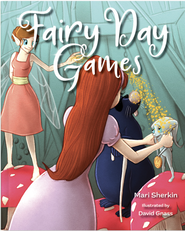
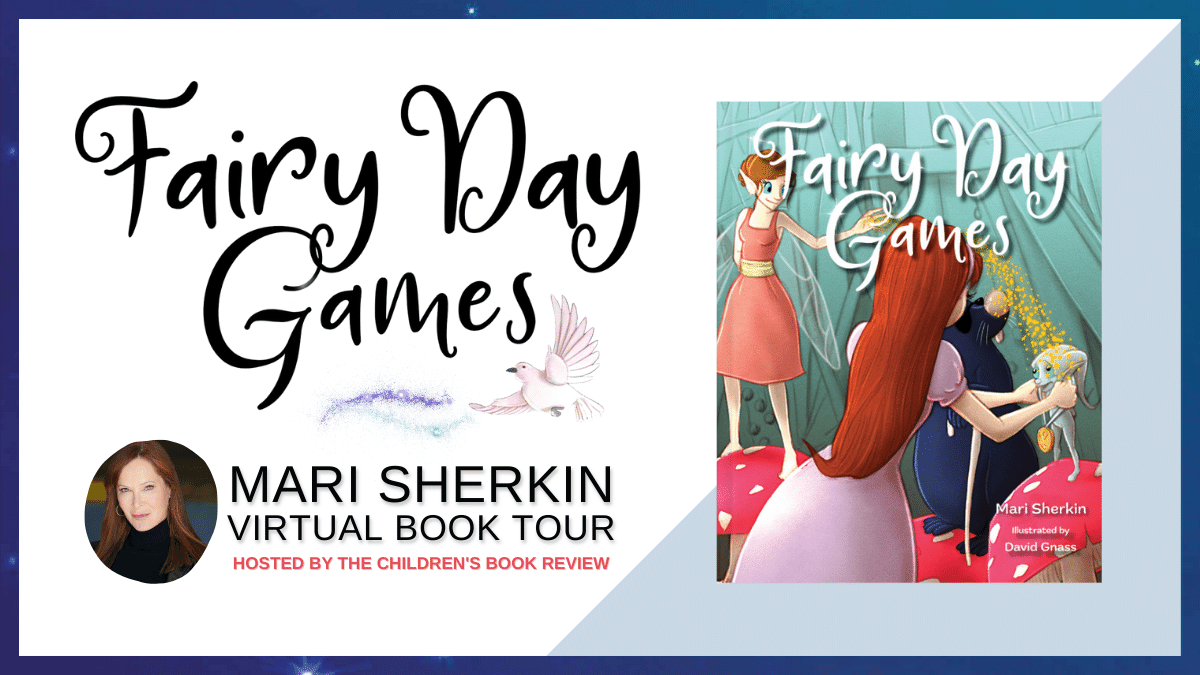
Fairy Day Games
Written by Mari Sherkin Illustrated by David Gnass Ages 4+ | 38 Pages Publisher: Mascot Kids | ISBN-13: 9781637555064 Publisher’s Book Summary: Get ready for fun at the Fairy Day Games! Join children’s author Mari Sherkin as she peeks inside a secret world, where magical creatures come together to prepare for the most festive Fairy Day of the year!! 
Book Giveaway
Enter the giveaway for the chance to win a signed copy of the Fairy Day Games!
This post is in partnership with The Children’s Book Review and P. J. Davis. All opinions are my own.
Book Information
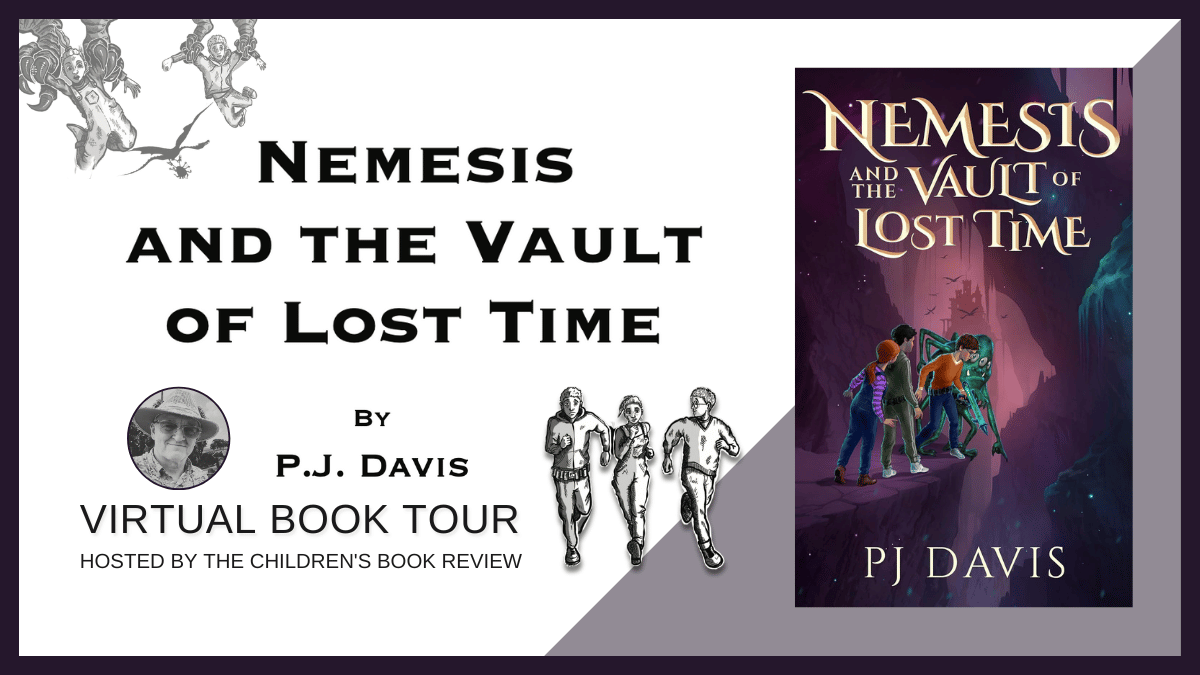
Nemesis and the Vault of Lost Time
Written by P. J. Davis Illustrated by Thomas Peacock Ages: 8+ | 234 Pages Publisher: Philaments | ISBN-13: 979-8990031616 Book Summary: “…it’s hard to prove the world’s most important substance is missing when no one knows it’s gone.” “Substance? What substance?” asks thirteen-year-old Max Kellerman. “Why time itself!” exclaims the strange professor who Max meets in the back of his uncle’s bookstore. In fact, he says, time is being sucked out of every living person by invisible thieves and stored away in a deep, dark netherworld. Could the professor possibly be right… or just plain crazy? It depends on whether Max can unravel the mysterious clues in the tattered manuscript the professor leaves behind. With the help of his best friends Derek and Samantha, Max begins a quest to find this dark realm and to discover its hidden secrets. But with the time clock ticking and the professor gone missing, Max uncovers a truth he never thought possible. Max must unravel the mysteries of Nemesis to save not just his world, but the very fabric of time itself. Author Interview
GI am excited to share my interview with PJ Davis. He lives in the tiny mountain town of Brevard, North Carolina overlooking the Blue Ridge Mountains. He lives there with his wife, youngest son, three sleepy cats and three noisy ducks. For his day job, he names things, such as companies, products and services. he even named the town’s annual White Squirrel Festival.
For more information, visit http://www.PJDavisAuthor.com Where did you get the inspiration for Nemesis and the Vault of Lost Time? It started with a feeling of empathy for the main character Max, who’s this kid that’s sort of lost in his own thought bubble. I could relate to how that internal world can lead to isolation and misunderstanding at school and in life in general. So I started to write about him, explore the character and let it play itself out with all of his ruminations and imaginations. Then I just followed the threads of his thoughts to see where it took him, and it took him to some pretty interesting places. What was your writing process like for this book? I would describe my process as inspired fits and spurts. When the ideas flow, they really flow. It’s almost like I’m a witness to the writing and there’s an internal dictation going on that I can barely keep pace with. But then the story will suddenly turn cold and just sit there for a while. So I typically let it do just that… sit. And then I come back and tinker a bit and see if I can pick up the trail again. Sometimes I ask the story what it wants to say, as if the story itself is a person. My goal is to get out of the way as much as possible and let the story tell itself. So it comes in waves, ebbing and flowing. Then there’s the more tedious process of synthesizing it, reviewing it, sending it to my editor for input, and doing the revisions and fine tuning. So it’s both inspiration and dedication, there’s no cutting corners. What is your favorite part about writing books for kids? My favorite part of writing middle grade fiction is the anticipation that comes with knowing who I’m writing for – those bright, bubbly, and unbridled young minds. In fact, I write with a very specific mental image of my intended audience. For this book, I pictured a ten or eleven- year-old boy coming up to my table at a future book signing alongside his mother. He asks questions about my book that even I don’t have adequate answers to. Why? Because he’s so fully invested in the story that he’s made this new world his very own. And when that moment arrives, I’ll know that my goal in writing this book was absolutely accomplished. What are you working on now? I have a strong suspicion that Max, Derek and Samantha will be back. There is some unfinished business they’ll need to attend to, and the forces at work are still very much at work. For a clue, look at the last illustration in the book at the very end… and stay tuned! What is your favorite book? Tough question as probably most would agree. But in terms of impact, I would say The Twenty-One Balloons by William Pene du Bois. I have a soft spot for fantastical adventures and this book about a man’s globetrotting visit to a remote island of millionaires really captured my imagination. I was in fifth grade at the time and it helped spur a love of reading and misadventure. Giveaway
Enter the giveaway for the chance to win a copy of Nemesis and the Vault of Lost Time autographed by P.J. Davis, a Galaxy Flying Orb Ball, and a $100 Amazon Gift Card!
This post is in partnership with The Children’s Book Review. All opinions are my own.
Book Information
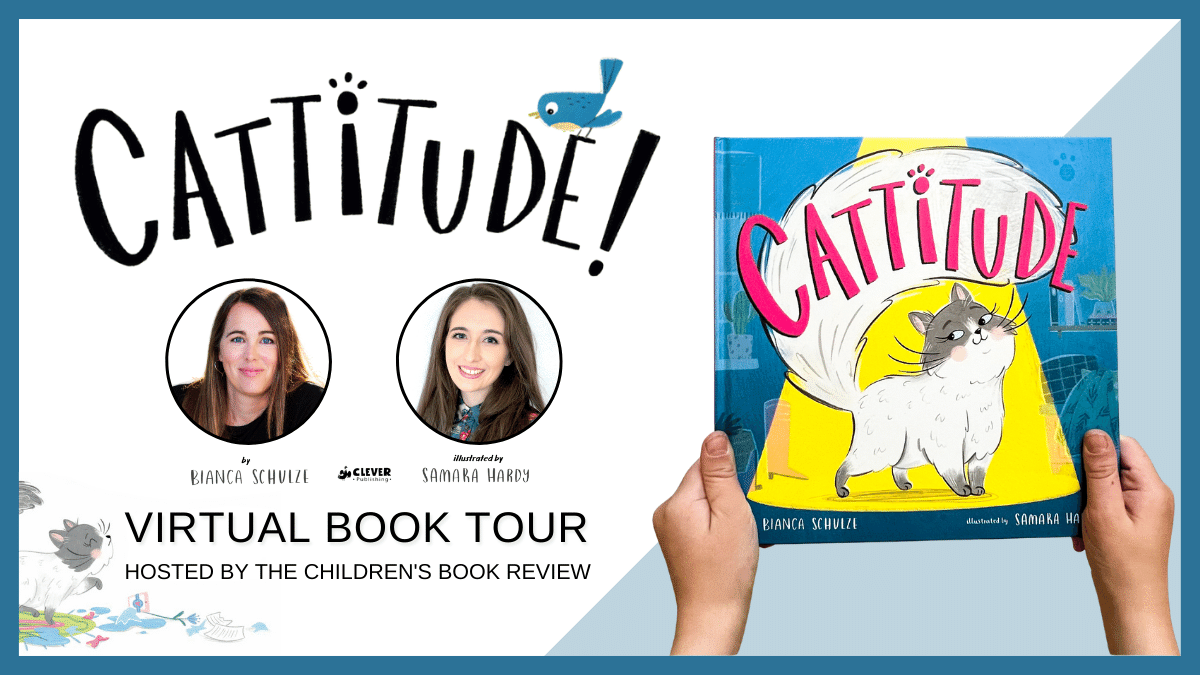
Cattitude
Written by Bianca Schulze Illustrated by Samara Hardy Ages 3+ | 32 Pages Publisher: Clever Publishing (2024) | ISBN-13: 9781954738362 Publisher’s Book Summary: Meet Cleo, a cat with an attitude—and she’s not afraid to show it! Cleo is a misunderstood feline with a penchant for mischief and a heart of gold. Her quirks and antics reveal a cat who marches to the beat of her own drum. From hiding behind bookshelves to getting stuck in tight spots, Cleo’s adventures teach her family valuable lessons about love, patience, and the true meaning of companionship. Get ready for a heartwarming tale of feline charm and the power of unconditional love. Cleo proves that behind every mischievous whisker lies a world of affection and loyalty. 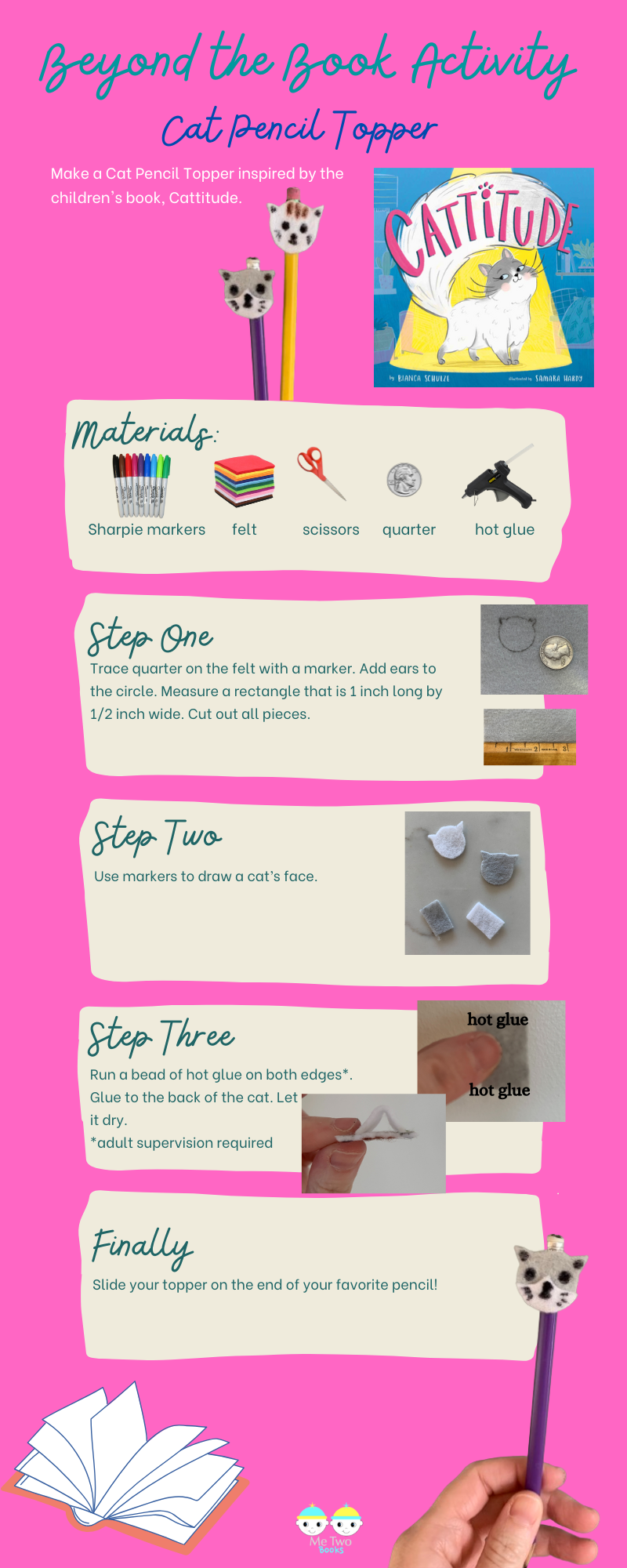
Book Giveaway
Enter the giveaway for the chance to win a 4-book set of Schulze and Hardy’s internationally bestselling Dragon series, including Don’t Wake the Dragon, and a $50 Bookshop.org gift card.
This post is in partnership with The Children’s Book Review and Maya Nurtures. All opinions are my own.
Book Information
Guess How Marion Feels
Written by Miss Kaye Illustrated by Miss Waitthk Ages 3+ | 34 Pages Publisher: Maya Nurtures (2024) | ISBN-13: 9781738593026 Publisher’s Book Summary: Marion is a kind, creative, and easy kid… but he’s faced with BIG emotions. Help Marion identify those BIG feelings in this interactive children’s picture book. Guess How Marion Feels is a transformative experience that lays the foundation for emotional intelligence and meaningful connections. A gentle Social Emotional Learning (SEL) tool to guide parents, caregivers, and teachers to teach kids who struggle to pick up social cues and have challenges in social situations. This book is made to celebrate and honor the feelings of our little ones, foster open communication, and create inclusive learning with our neurodivergent kids. Written by a neurodivergent author, Miss Kaye aims to support kids and everyone struggling with social interactions. 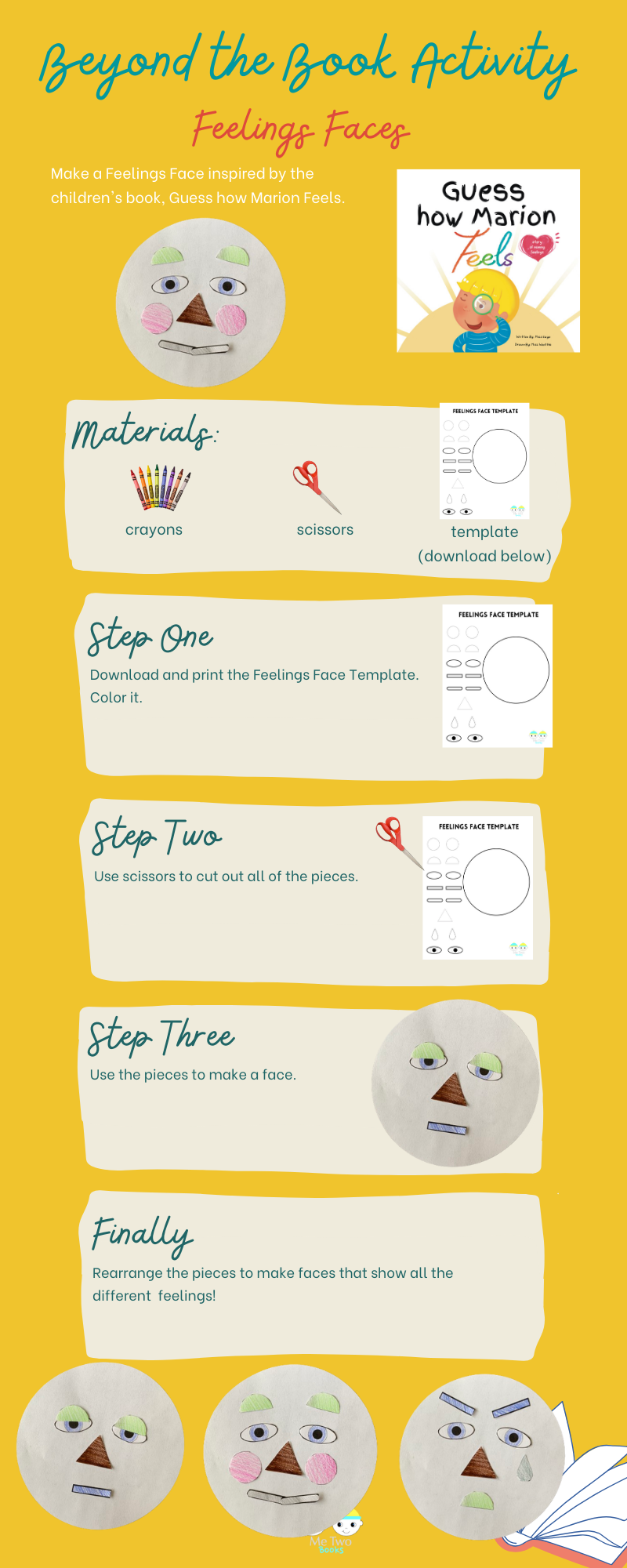
Book Giveaway
Enter the giveaway for the chance to win a 1-hour FREE coaching session to launch your own picture book, along with signed copies of Guess How Marion Feels (one to keep and one to share with a neurodivergent charity of your choice under your name).
This post is in partnership with The Children’s Book Review and Purple Butterfly Press. All opinions are my own.
Book Information
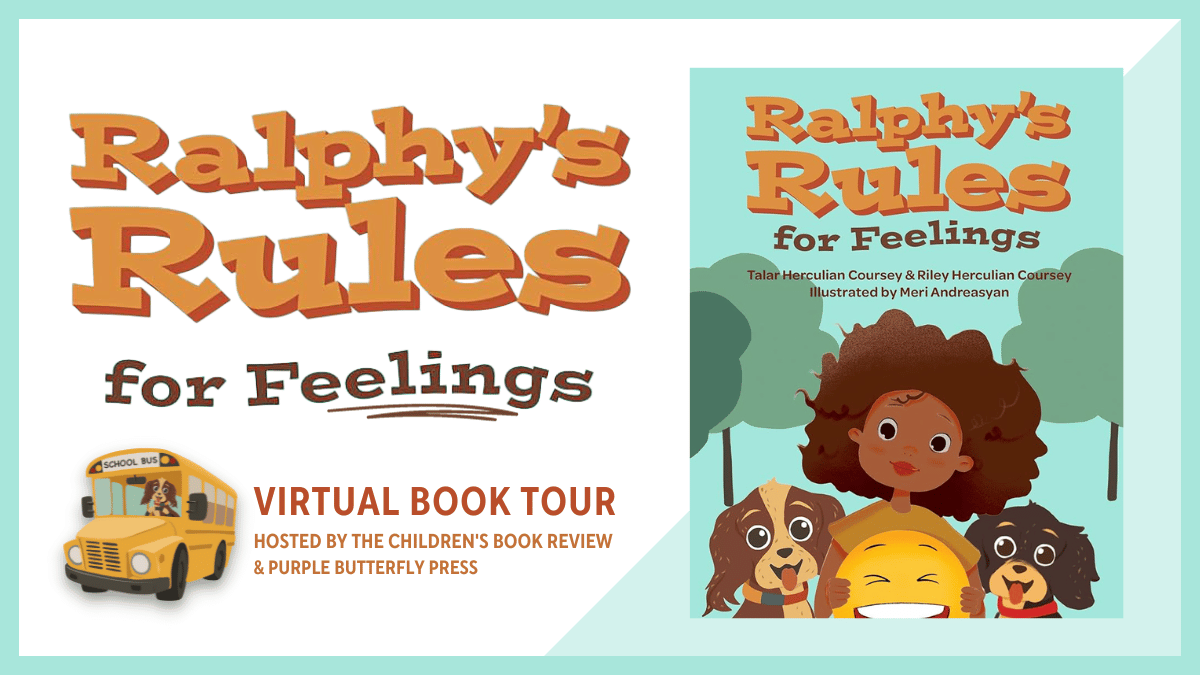
Ralphy’s Rules for Feelings
Written by Talar Hercuilian Coursey and Riley Herculian Coursey Illustrated by Meri Andreasyan Ages 4+ | 36 Pages Publisher: Purple Butterfly Press (2024) | ISBN-13: 9781955119450 Publisher’s Book Summary: We have big feelings! Sometimes we don’t know what to do with them or how to change our thoughts that cause these feelings. The first day of school can be scary, but “Furrapist” Jackson Johnson and cute pup Ralphy of Ralphy’s Rules for the Good Life are committed to helping a busload of kids understand and manage their big feelings. During the ride to school, Furrapist Jackson Johnson teaches the children that they can choose their emotions and decide how to respond to them. Ralphy and Jackson make the complicated subject of emotional intelligence accessible for kids to understand and, more importantly, implement in their everyday lives. So hop on the bus with us, and let’s learn about how taking charge of our feelings can change our day! 
Book Giveaway
Enter the giveaway for the chance to win a classroom set that includes 25 copies of Ralphy's Rules for Feelings!
This post is in partnership with The Children’s Book Review and Fontreal. All opinions are my own.
Book Information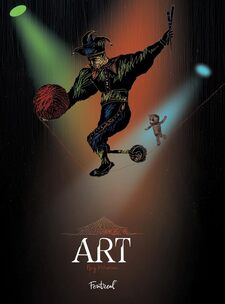
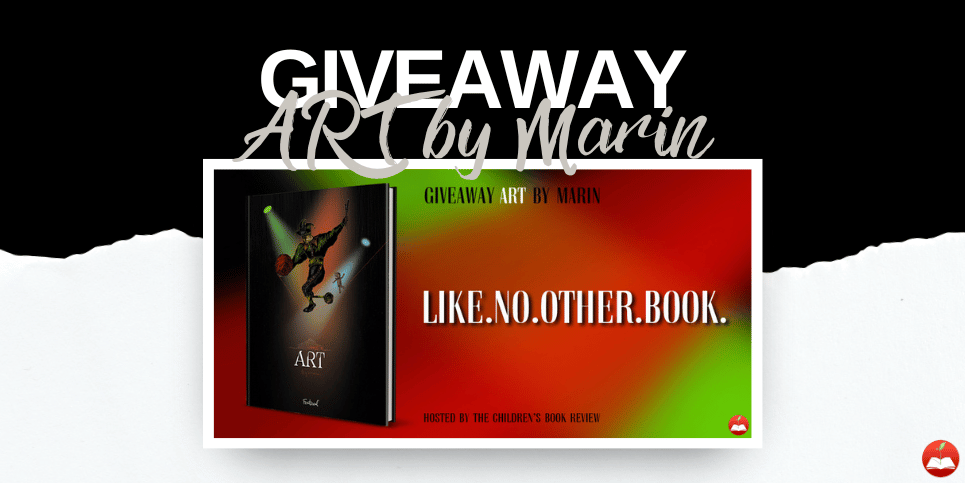
ART
Written by Marin 34 Pages | Publisher: Fontreal ISBN-13: 9781989661215 Publisher’s Book Summary: Art is autistic and artistic. Art has just one friend – his teddy bear. Art does not speak, but he makes art. Art that dismisses gravity. The publication crowns the artist and turns royalty into a mere audience. The sophisticated illustrations inspire readers to express their emotions, verbalize their feelings, and create their own stories. Author Interview
I am excited to share my interview with Marin. He is proud to be a self-published children’s book creator. He writes his stories, illustrates the books, designs the covers, formats the pages, and publishes the volumes. He even creates new fonts for his publications to make them one-of-a-kind. Marin lives with his family on the Canadian East Coast. For more information, visit https://fontreal.com. As an author of children’s books, you use only your first name only. Why? It is easy for children to pronounce it. How do you come up with your stories? Some of them are quite unusual. As I mentioned in the beginning of the interview, my mind loves to travel. Sometimes - although not very often – we meet. My mind shares with me stories, I write them down, and place the copyright symbol in front of my name. You have only one book that was not illustrated by you. Why only one? For good luck. Although I am not superstitious. Why do your illustrations differ from each other? It seems every book has a new visual style… True. I believe it is a professional dishonor if an artist develops a style and stops there – no matter how likeable and financially rewarding the style. Creative people must constantly search, explore and change– it is in our DNA. In addition, my stories “tell” me how they want to be illustrated. To make my books visually-appealing and thought-provoking I have to listen to their requests. This way – when ideas, words, images, and layout happily match and marry, the picture book becomes a cohesive piece of art. When did you write your first story? How did you start? Honestly, I never thought I would be creating children’s books. My first book was a celebration of my son’s name – Alexander. He went away to finish his first university degree - biomedical science and my obligations were not necessary anymore. No more hockey matches, parental supervision or soccer games - therefore I had the time. It came to my mind that my son’s name ALEXANDER could be divided into two – ALEX and ER. I had no idea about a theme, sequence of events, or protagonists – just the name. After I finished writing the book, I did the illustrations. Then I created the font and designed the cover. Finally, I made the layout of the publication. When I finished, I realized that I was hooked. I still keep a few typos in my first book “The Adventure of Alex and Er”- this way it feels more authentic. What is your personal motto? Is there any sentence that has stood out to you as such? Yes, my grandfather’s advice, which I broke once and paid dearly. He told me never to play leapfrog with unicorns. Giveaway
Enter the giveaway for the chance to win an autographed hardcover copy of Art and $50 sent via PayPal! A complimentary download of Marin's book The Smile is also available to everyone right now on Amazon.
"I know what it is like to leave your baby behind, fighting for their life and it is the most unnatural and devastating way to be thrust into motherhood." ~Jayme White, Finn and Co  I am excited to share my interview with Jayme from Finn and Co Gifts. She is so amazing, sweet, and funny. Make sure to connect and support her fabulous work... ~Ali Tell us your NICU story Kelsey is hands down the bravest person we have ever met. And we are lucky to call her our daughter. Kelsey's story is one for the books, one we will most definitely be writing one day. Our pregnancy with her was, for the most part, easy. We went in for a routine ultrasound at 32 weeks 6 days only to find out that she was incredibly sick. This took us completely by surprise because the ultrasound 2 weeks prior was completely normal. She was diagnosed with non-immune hydrops fetalis, a condition where the baby has fluid in places they are not suppose to have it. For Kelsey, she had fluid in her chest/lungs, her belly, and her skin. We were transferred immediately to Pennsylvania Hospital in Philly where they had a level III NICU. Once there, we were told we would be delivering within 24 hours to give her a chance. After discussion with all the doctors, it was determined she would have a 5% chance of survival. We were told that IF she makes it out of the delivery room, the first 24-48 hours were unknown. And IF she survived those first few days, the first few weeks were unknown. And IF she made it that far, we were told these babies would have very long NICU stays that can go up and down. We were devastated. Our third little girl would have to fight for her life. On March 18th, 2020, Kelsey was born via c-section. We never heard her cry. We didn't even know she was born until the neonatologist told us that she was out. Kelsey was immediately intubated and had bilateral chest tubes placed, which they drained almost 1 pound of fluid from her tiny body. But she was stable. She made it out of me. And she made it out of the delivery room. Kelsey continued to fight. Her little body did exactly what we needed it to do. By 2.5 weeks, her chest tubes were removed. By 3 weeks, she was extubated and on CPAP, by 4 weeks she was on high flow, and by 5 weeks she was only on nasal oxygen and learning to feed. Kelsey braved the NICU for 56 long, grueling days. And she came home to us, the brave fighter that she is. Kelsey's first year of life continued to bring us hurdle after hurdle- a 4 day hospital stay due to a UTI (we found out she had urinary relfux and needed antibiotics daily), a 7 day hospital stay due to a lymphatic procedure to fix her lymphatic anomaly that caused her chylothorax, a Horner Syndrome scare the day momma went back to work, microcephaly diagnosis with global developmental delay, a brain MRI that showed PVL which lead to a sleep apnea diagnosis, a 7 day hospital/3 day intubation following an emergent tonsil/adenoidectomy and bilateral ear tube placement, so many feeding issues, and a lot of tears. But her first year of life was also a complete blessing. We shared many milestones, laughs, and joy in knowing that she is truly a miracle. Tell us about your organization We took over Finn and Co Gifts from a fellow NICU mom in November or 2022, after Kerlsey was once again in the hospital fighting for her life. We were gifted a Finn Panda during this time. It was the only way Kelsey's sisters were able to connect with her. They recorded a message to her that was played over and over again. Finn kept our whole family connected during this time. We saw and witnessed the value of Finn. And we knew we wanted to take over this company to continue to spread the love with Finn. Finn and Co is the home of the unique Finn Panda, designed to help comfort babies during hospital stays, as well as foster the bond between caregiver and baby, even when they have to be apart. Finn comes with a removable scent patch that caregiver can wear and then reattach or keep near baby so their scent is nearby, a recording device that records up to one minute and can be played back once or on repeat so baby can hear caregivers voice, a black and white design to appear to baby's early vision development, and an antimicrobial treatment to ensure he shows up with all the love and none of the germs. Finn and Co also supports the hydrops fetalis community by having a one of a kind hydrops collection where proceeds are donated to hydrops research. 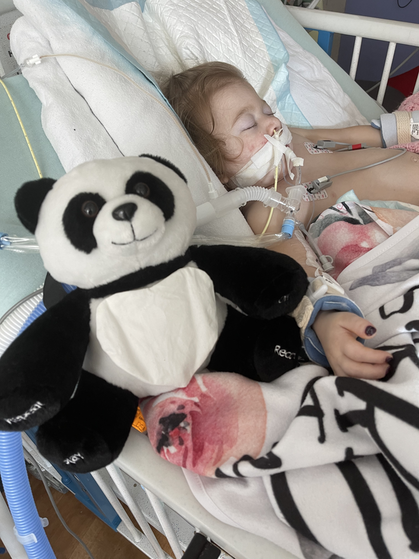 What inspires you to keep doing this work? I know what it means to feel alone during a time in a mother's life where she needs support the most. I know what it is like to be told that your child may not make it. I know what it is like to be told, "go home and rest." I know what it is like to leave your baby behind, fighting for their life and it is the most unnatural and devastating way to be thrust into motherhood. My goal is to continue to support families, babies, and mothers during this NICU journey and beyond. How can someone help support your mission and organization? Share and spread the word of the importance of Finn the Panda. Help by sponsoring a bear. During the month of November, for every 4 bears sold, we are donating a bear to a NICU organization, hospital, or family. Also- use code PREEMIE11* this month and get 11% off * exclusions apply 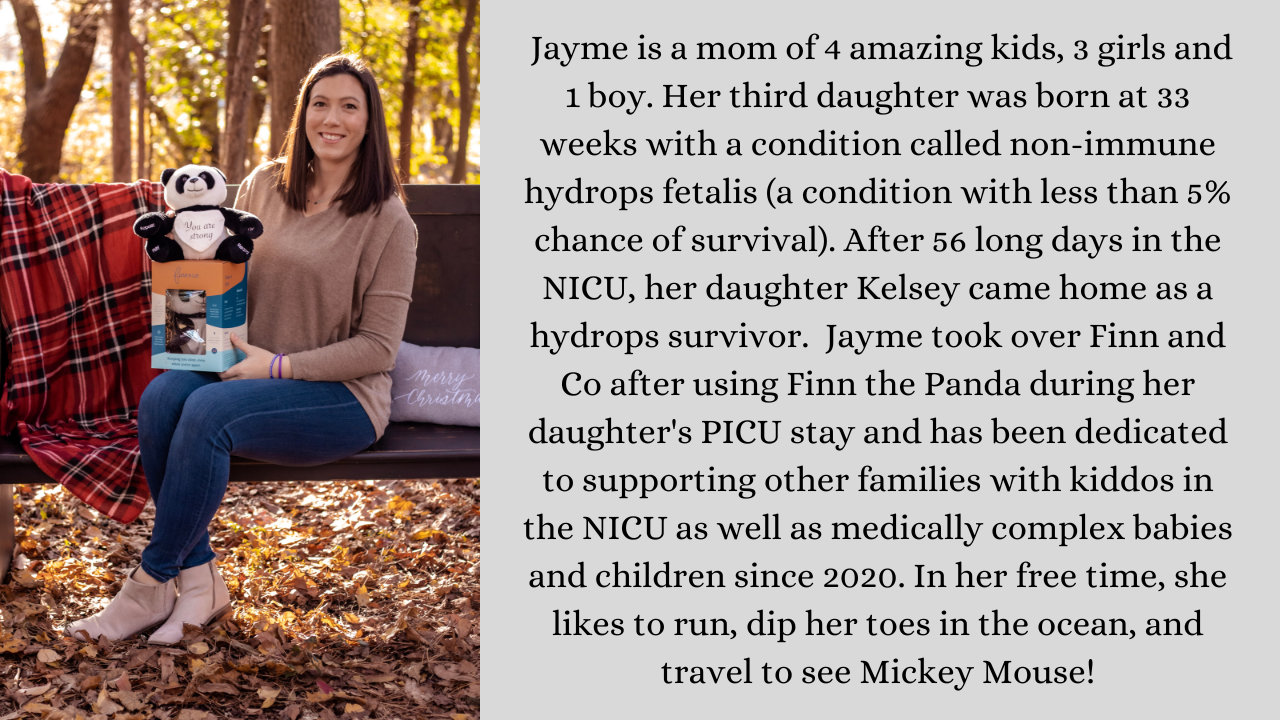
This post is in partnership with The Children’s Book Review and Catherine Rose. All opinions are my own.
Book Information
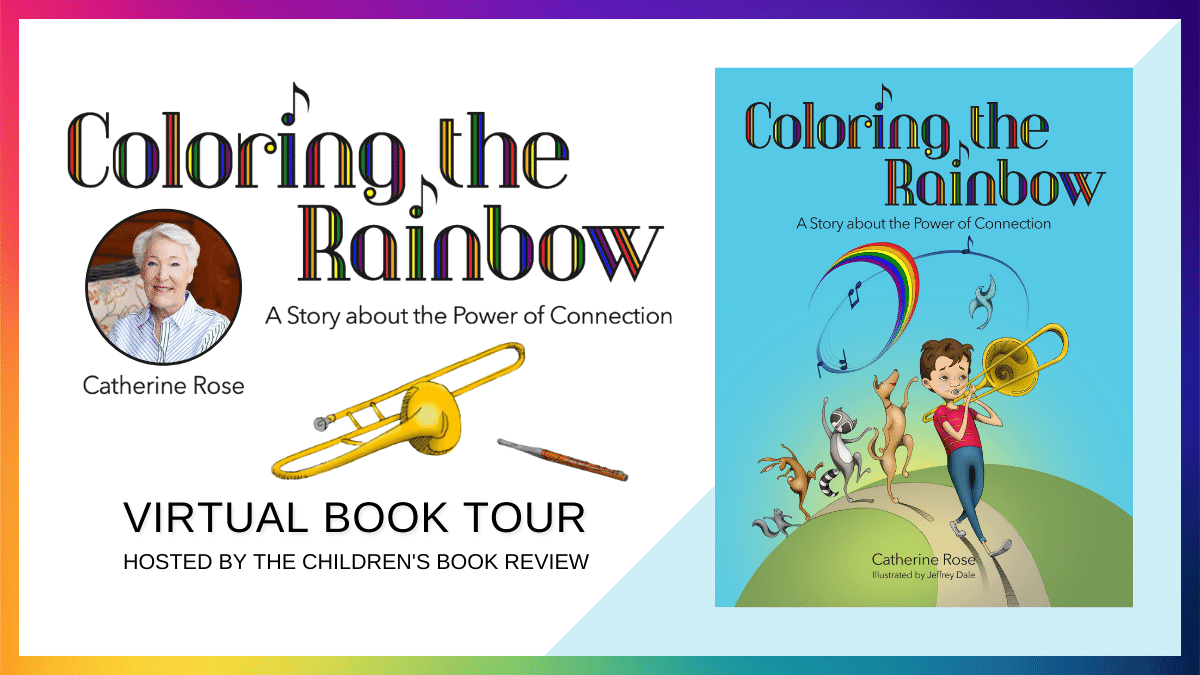
Coloring the Rainbow: The Power of Connection
Written by Catherine Rose Illustrated by Jeff Dale Ages: 3-8 | 32 Pages Publisher: Beaver’s Pond Press (2023) ISBN: 9781643436371 Publisher’s Book Summary: Coloring the Rainbow: The Power of Connection tells a story of the magic created when the unique talents of a diverse group of children are shared in a colorful adventure. The adventure begins when we see through a boy’s window to find a young trombonist pausing his practice to wonder if other musical voices exist. When an alluring treble note wafts through his window, he begins an excited quest to find the answer. Playing his horn through his neighborhood, the boy draws other curious children to play their unique instruments along with him. 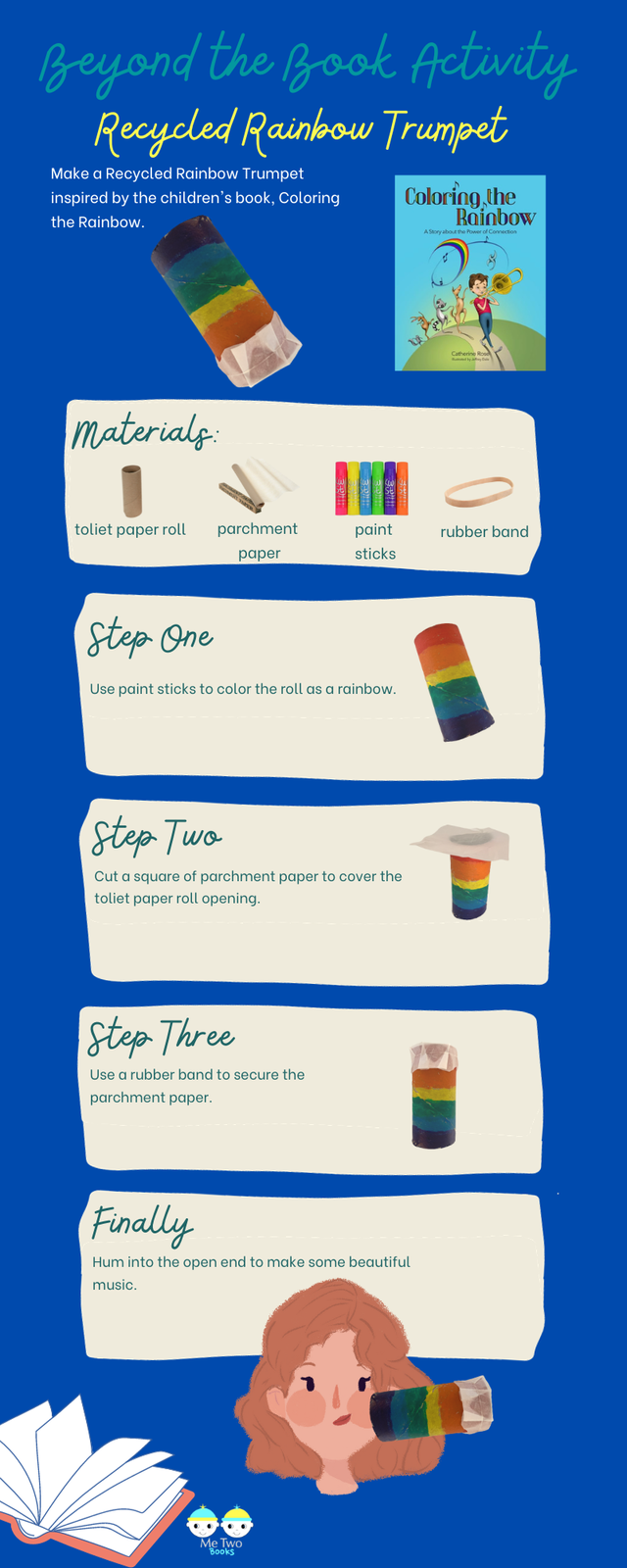
Book Giveaway
Enter the giveaway for the chance to win a signed hardcover copy of Coloring the Rainbow and a $100 Amazon gift card!
This post is in partnership with The Children’s Book Review and Page Street Kids. All opinions are my own.
Book Information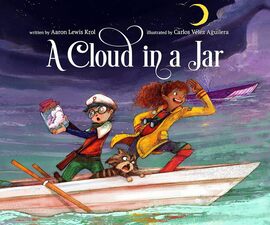
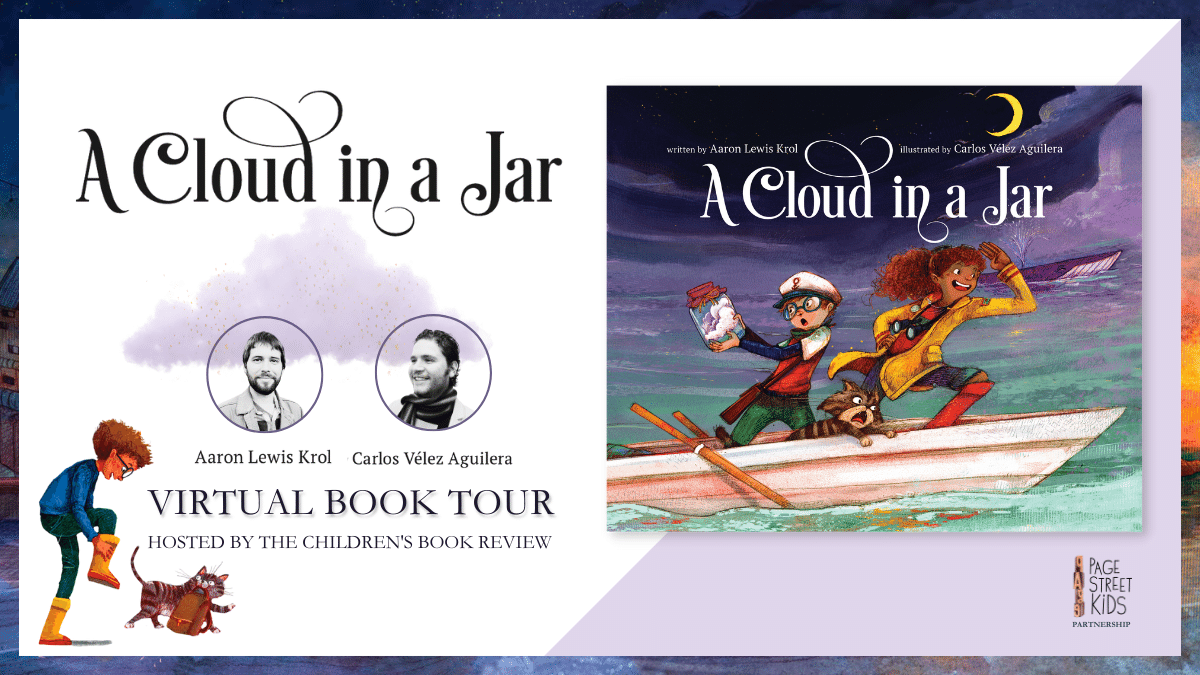
A Cloud in a Jar
Written by Aaron Lewis Krol Illustrated by Carlos Vélez Aguilera Ages 4+ | 32 Pages Publisher: Pages Street Kids | ISBN-13: 9781645679936 Publisher’s Book Summary: It’s just after midnight on Walton Wharf West, but there’s no time for sleeping―adventure awaits! Get dressed, grab your oars, let’s not delay. Lou Dozens is here, and we’re sailing to Firelight Bay! In this modern, young, bold, and inventive adventure, Lou drags her more cautious friend on a daring voyage across the sea. Though their destination is a glorious land of year-round summers, long slides, and picnics a hundred yards wide, the children there have never seen rain, even once. The mission is simple: bring Firelight Bay a cloud in a jar. But the journey is anything but. Readers will delight in the story’s twists, turns, and unexpected solutions―from a sail of patchwork handkerchiefs to a net crafted from recycled cell phone chargers that saves a beached whale. It’ll take every knick-knack in Lou’s pockets and all the cleverness the pair can muster to safely deliver their gift. With captivating illustrations and whimsical yet delightfully intricate rhyming text reminiscent of classic children’s poetry, this seafaring quest is one young readers will not soon forget. 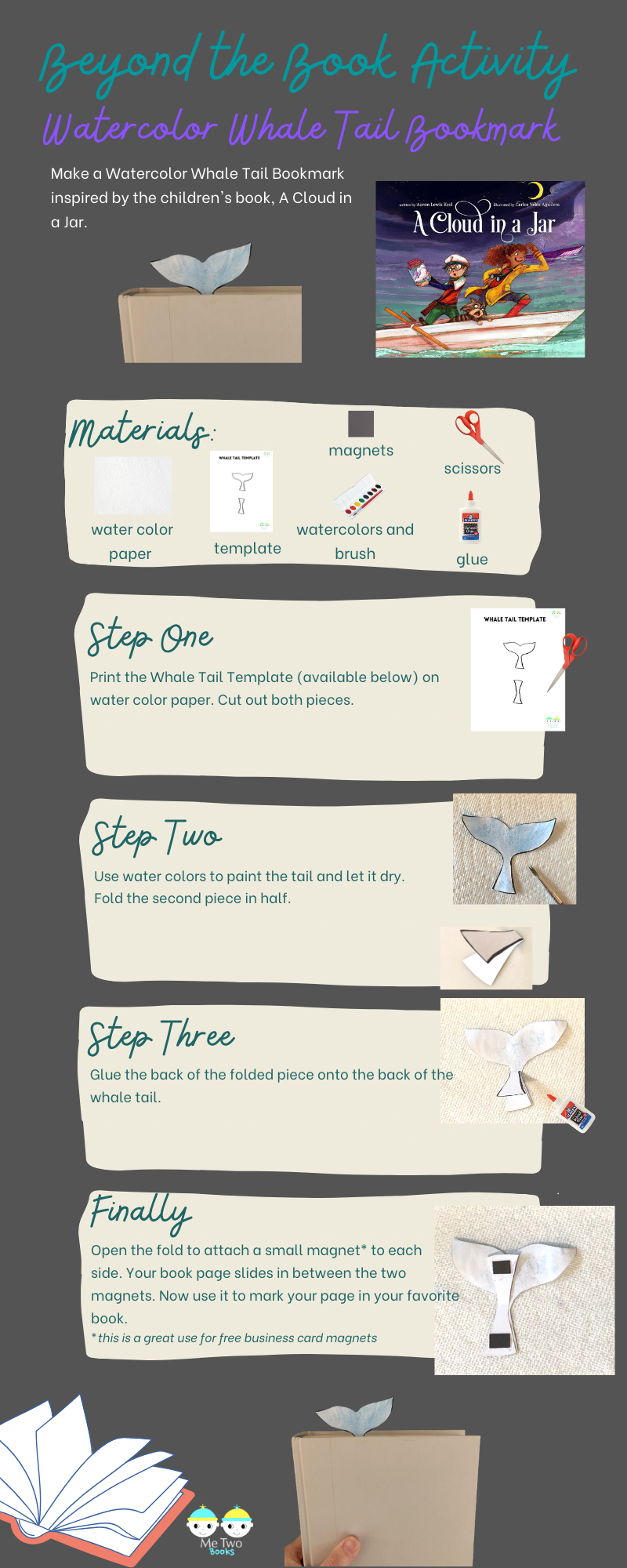
book Giveaway
Enter for the chance to win a hardcover copy of A Cloud in a Jar!
Two (2) winners receive: A hardcover copy of A Cloud in a Jar
This post is in partnership with The Children’s Book Review and Gregory G. Allen. All opinions are my own.
Book Information
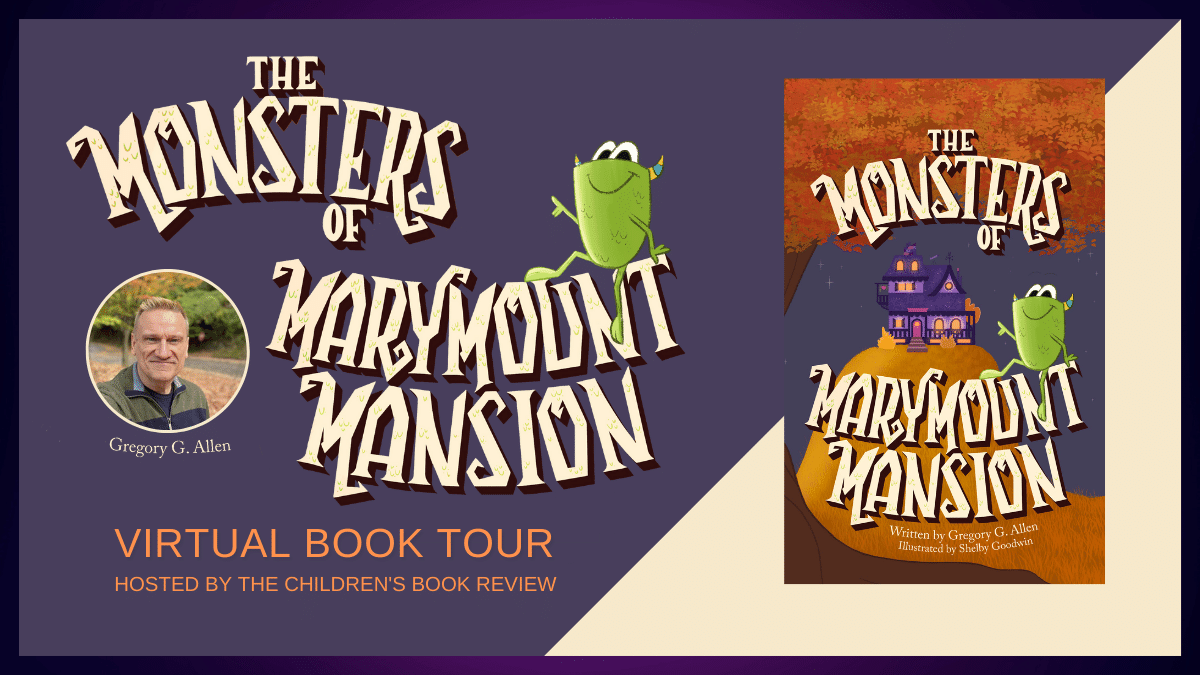
The Monsters of Marymount MansionWritten by Gregory G. Allen
Illustrated by Shelby Goodwin Ages 7+ | 128 Pages Publisher: ASD Publishing | ISBN-13: 9780996102940 Publisher’s Book Summary: Meet Toby: a young monster who has skin like a fish, fur like a dog, and smells like cotton candy when he gets excited. He lives with his family in the basement of Marymount Mansion and once a year ventures out into the real world when everyone is dressed for Halloween. Toby becomes frustrated with hiding below ground and sets off on an all-important quest. 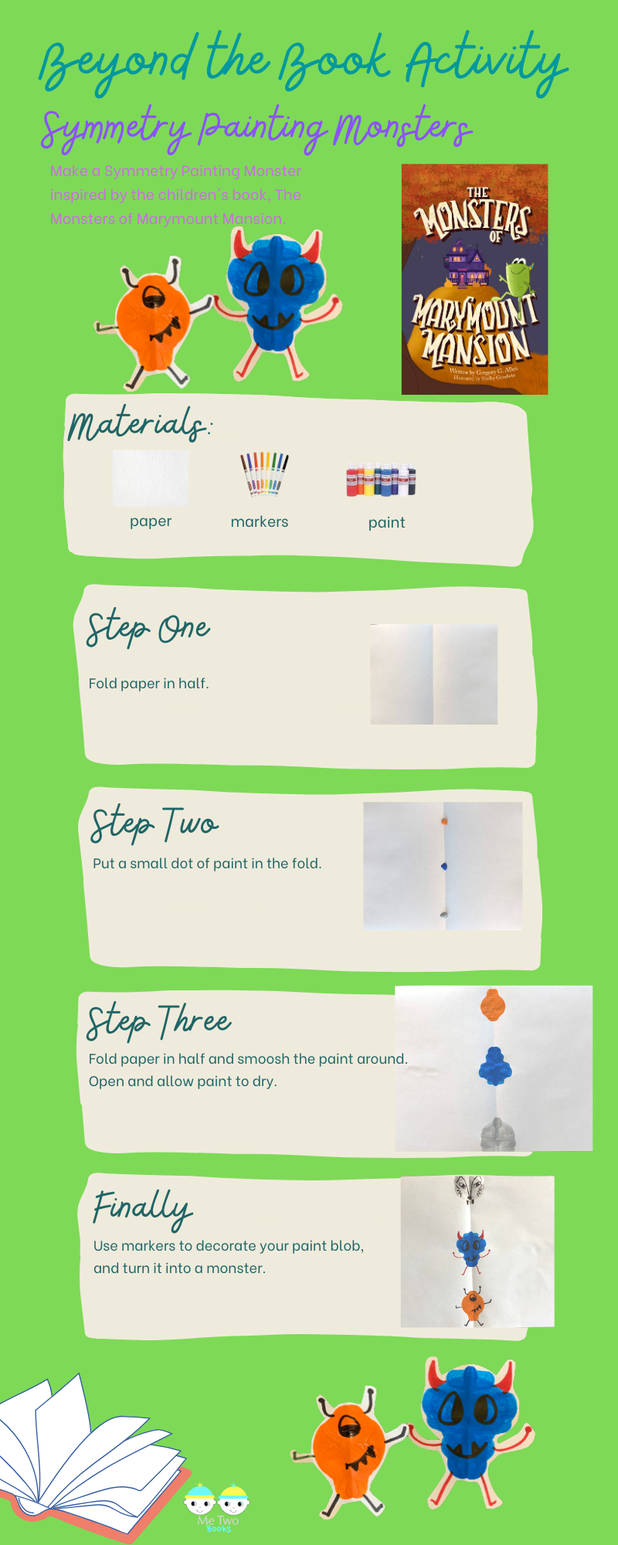
Book Giveaway
Enter for the chance to win a signed paperback copy of The Monsters of Marymount Mansion, a signed paperback copy of each of the author’s previous picture books** (Chicken Boy: The Amazing Adventures of a Superhero with Autism, Chicken Boy: A Superhero with Autism Deals with Doctors & Dentists, and Irving the Theater Nut!), and a $50 Amazon gift card to buy other books! **All books teach children not to fear those who are different and to be proud of themselves FOR those differences.
One (1) grand prize winner receives: - A signed paperback copy of The Monsters of Marymount Mansion - A signed paperback copy of Chicken Boy: The Amazing Adventures of a Superhero with Autism - A signed paperback copy of Chicken Boy: A Superhero Deals with Doctors and Dentists - A signed paperback copy of Irving the Theater Nut - A $50 Amazon Gift Card Four (4) winners receive: - A signed paperback copy of The Monsters of Marymount Mansion |
 RSS Feed