|
This post is in partnership with The Children’s Book Review and Leona Cobham. All opinions are my own.

Book Information
Flying Circus Through Thick and Thin
Written by Leona Cobham Illustrated by Timothy O’Brien Ages 7+ | 144 Pages Publisher: Cobham Wings | ISBN-13: 9781739407032 Publisher’s Book Summary: A group of anthropomorphized airplanes encounter extreme weather while training at a mountain base. The Spitfire and the biplane, Woody, discover a suspicious mining operation. Tom, the F-14, accidentally gives their radio frequency to the antagonists at the mine. A snowstorm causes more problems. Tom makes amends by rescuing an F-117 Nighthawk. The second story is a comic tale of mistaken identity. Spif feels responsible for the smooth running of a historical commemoration, but his plans are hampered by a series of hilarious errors involving statues of Wellington and Napoleon. In the final story, when the friends are invited to an air show in the height of summer they become impatient with a Chinook who is garnering attention. They take to the sky, and the Tomcat lights his afterburners. When a fire starts, he assumes it was his fault. He overcomes his shame to help with the firefight. Spif must put his pride aside and accept assistance from the popular Chinook. Each aircraft contributes to the effort with its own unique skill set. When they save some scouts who have been camping, it turns out it was the scouts who started the fire. They realize through making mistakes, we learn. Author Interview
I'm excited to share my interview with Leona Cobham. She was immersed in the world of aviation from a young age; her grandfather, Sir Alan Cobham, made many first-time flights as well as pioneering the invention of air-to-air refueling. Leona absorbed this love of flying and travel. While working in a forest recuperation project in Brazil, Leona volunteered to teach in a shanty town. Here, a lifelong interest in understanding different learning styles began. On return to the UK, she began to write children’s fiction and worked part-time as a classroom reading assistant. Believing happy children learn best, Leona infuses her writing with humor, adventure, and a big feel-good factor. Her endearing characters overcome personal as well as technical challenges to succeed.
For more information, visit: www.cobhamwings.co.uk Where did you get the inspiration for Flying Circus Airplane Adventures series? Children are reading less than any previous generation; a third of children surveyed reported being unable to find things to read that interest them. Yet research shows that strong reading skills are a key predictor of successful learning. So, I felt inspired to combine exciting fiction, which is enjoyable to read, with facts. Many children groan at the thought of learning, but I honestly believe it’s possible to enjoy the process. If a child feels happy, they learn so much better. By combining feel-good adventures with technical information about aviation, my books put readers in this happy space where they see how the airplanes pull off the feats they do. I’m passionate about aviation and I want to share that excitement. For example, in Dangerous Elements (Book 2), an airplane is lost and her pals on the ground use radar to look for her. The lost airplane is a stealth plane, so she has a very small radar return. My reader now has a visual on how radar works in the real world. I believe it’s this combination of fact with fiction that can be effective in getting youngsters back into reading. What was your writing process like for this book? I work out the driving question behind the story before anything else. This is embedded in the plot. For children’s adventure books, I believe this has to take the form of a physical challenge, a hero’s journey. Emotional challenges then arise on the back of this physical challenge. I write an outline with the inciting incident, the motivating aspect that locks the protagonist in, plot points for the unfolding action, and finally the resolution: the new truth. Only then do I begin writing the book. Early on, I decided I didn’t want to write for a traditional publisher but instead, write for me and my readers! That means I can retain my integrity and write what I believe in. It also means I have to take time out from writing for marketing. It’s well worth the price. What is your favorite part about writing books for kids? I write about the awesome nature of flight! I hope I inspire readers to follow careers which push the boundaries of technology. The character arcs in my stories allow readers to see the value of emotional intelligence and the benefit of collaborating with others. And at the end of the day, my readers may develop a love of reading simply because they felt good when they were engrossed in the world inside the book. I think there’s a metaphor inherent in flight: my readers can get themselves off the ground and fly high. They are in the pilot’s seat. By learning, they become empowered. What are you working on now? Book 3 in the Airplane Adventures series. What is your favorite book? Jonathan Livingstone Seagull by Richard Bach. Giveaway
Enter the giveaway below for your shot at nabbing a copy of Flying Circus Through Thick and Thin.
This post is in partnership with The Children’s Book Review and Kathleen Welton. All opinions are my own.
Book Information
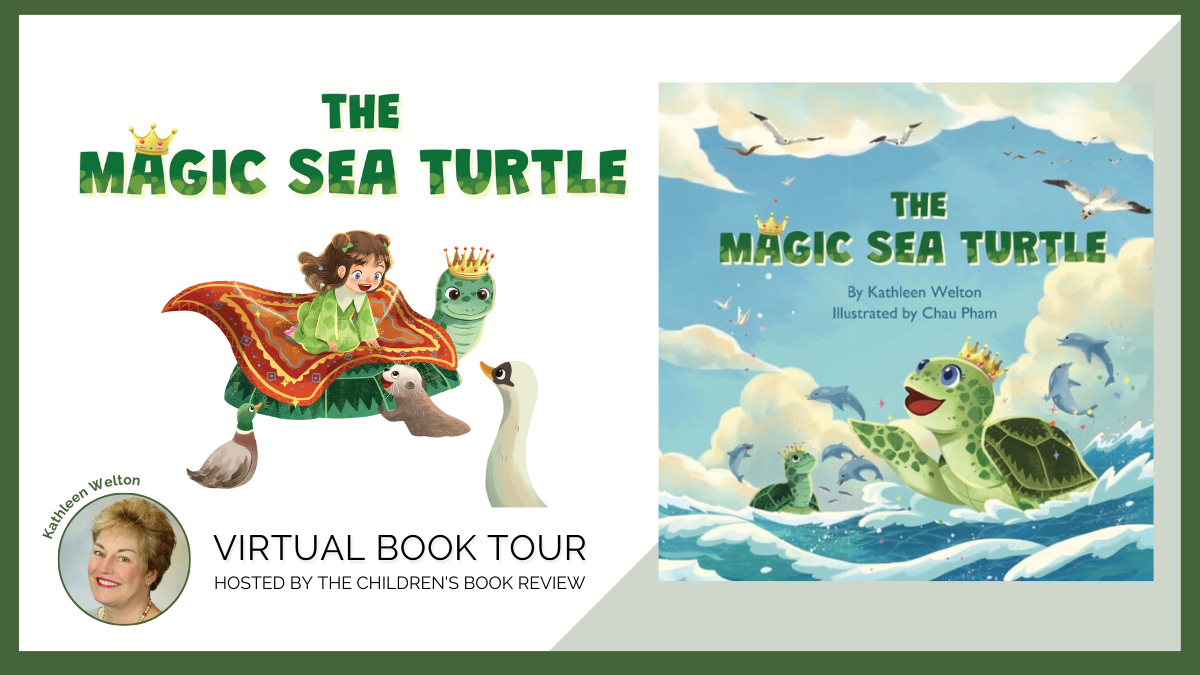
The Magic Sea Turtle
Written by Kathleen Welton Illustrated by Chau Pham Ages 3+ | 32 Pages Publisher: Bookfox Press | ISBN-13: 978-1960157515 Publisher’s Book Summary: Once upon a time, Myrtle chased her dreams–dreams of being a queen with a crown that sparkled like the moon. One day, she tumbles down, down, down into the sea. Max helps rescue her and a magic carpet flies her to a place even more amazing than her sandcastle dreams and she discovers an entire ocean of possibilities! There are dolphins who welcome her and a friendly otter with the biggest smile. They can teach her to swim and enjoy the day. Another magical glow surrounds Myrtle when she decides to stay and wishes to be a sea turtle like Max. And guess what? Myrtle’s fall may have been unexpected, but thanks to a touch of magic, it leads her to a place where her wishes come true. Myrtle becomes a queen AND a magic sea turtle too, ready for incredible adventures! Myrtle the Turtle learns that being a queen means having the best friends ever. And with her sparkly crown and a heart full of joy, she is the happiest queen the whole ocean has ever seen! Author iNterview
I'm excited to share my interview with Kathleen Welton. She advocates for beaches, birds, and wildlife; is an award-winning independent publisher; and writes picture books and screenplays. She began her book publishing career as a college textbook sales rep. Since then, she has served as senior editor for Dow Jones-Irwin, publisher for Dearborn Trade, vice president and publisher for IDG Books, director for H&R Block, and director of book publishing for the American Bar Association. As a book producer at aka Associates, she collaborates with authors and organizations on publishing projects.She earned a BA in both English and Italian Literature from Stanford University as well as a Certificate in Feature Film Writing with distinction from UCLA Extension. When she is not writing, Kathleen enjoys meditating, reading, and exploring the Lake Michigan shoreline.
Learn more about Kathleen at kathywelton.com.
Where did you get the inspiration for The Magic Sea Turtle?
I am just a girl who loves turtles. The end. I grew up close to the beaches in Southern California. The ocean as well as rivers and lakes has always been my favorite place. As such, I support sustainability initiatives connected to beaches, birds, and wildlife. Sea turtles are one such creature that I have long admired. I am fascinated by the myths and stories about them including the story of Turtle Island which according to some is a name for Earth or North America, used by some American Indigenous peoples, as well as by others. Myrtle is a 500-pound sea turtle who has lived at the New England Aquarium in Boston for more than 50 years. She is thought to be in her nineties and she is expected to live for a few years. I have a coffee mug with her outline etched on my desk. So her spirit was beside me when I wrote my book. I wanted to write a picture book that would celebrate these creatures for what they have given us. In addition, I am grateful to be able to live near Lake Michigan. And I am grateful where my publishing has landed me—going from an editor and publisher to a writer. Sometimes where you end up turns out to be better than where you first started life. What was your writing process like for this book? First off, over the past few years, I focused on learning everything that I could about being a writer including online courses, reading lots of picture books, and reading lots of books about how to write. It wasn’t until a few years ago, that I really had the confidence to tell my own stories. A few writing colleagues and a good friend pushed me to take the plunge. I chose a middle ground between publishing the books myself and finding an agent and went the” hybrid” publishing route. Those decisions have made all the difference in taking the next steps. Questions that I asked myself included what kind of picture books did I want to write? How many pages? I love animated movies such as “The Lion King” where the animals are the story tellers and wanted to have them be the ones that teach us lessons. So I used animals I love—from birds and horses to lions and tigers and bears to get the words and concepts come to life. As a project management type, I like to use templates as well as value feedback from other readers and editors. Choosing those people carefully made all the difference to me. They not only gave me essential encouragement and believed in me but also fabulous ideas for illustrations and how to make everything come together. I could not be happier with all the choices that I made and the journey that I am on. What is your favorite part about writing books for kids? I have been extremely lucky to find wonderful picture book pros to work with and am grateful for the opportunity to collaborate with amazing editors and illustrators on my debut picture books! Having served as a book publishing professional for many years, it has been a dream come true to enter the wonderful world of picture books. My wish is that my books help to spark a love of reading and lifelong literacy. What are you working on now? I have two books ready for publication in 2024— “Choo! Choo! Choo! The Train at the Zoo” (September 2024) which was inspired by one of my favorite places—the Lincoln Park Zoo. In “Pigs Have Wings,” (June 2024) Miz Pig dreams she can dance and sing, but it's harder for a pig than you'd think! With a little help and inspiration from her friends, Miz Pig finds she can do almost anything! The second book in the Myrtle the Turtle series in the works for publication in 2025. In addition, there are a few other picture books either in process or on the drawing board. Animals are the real storytellers in my picture books. They inspire my imagination with their beauty, bravery, and wisdom. What is your favorite book? I discovered “Giraffes Can’t Dance” by Giles Andreae (Author), Guy Parker-Rees (Illustrator) many years ago and fell in love with this picture book first for Gerald the adorable giraffe. It remains a gold star example for me of the perfect classic combination of text and illustrations that seem to dance together just like the main character. Giveaway
Enter the giveaway for a chance to win a copy of The Magic Sea Turtle, a plushy of Myrtle, and a Baby Turtle Adoption from seeturtles.org.
This post is in partnership with The Children’s Book Review and Jeanne Walker Harvey. All opinions are my own.
Book Information
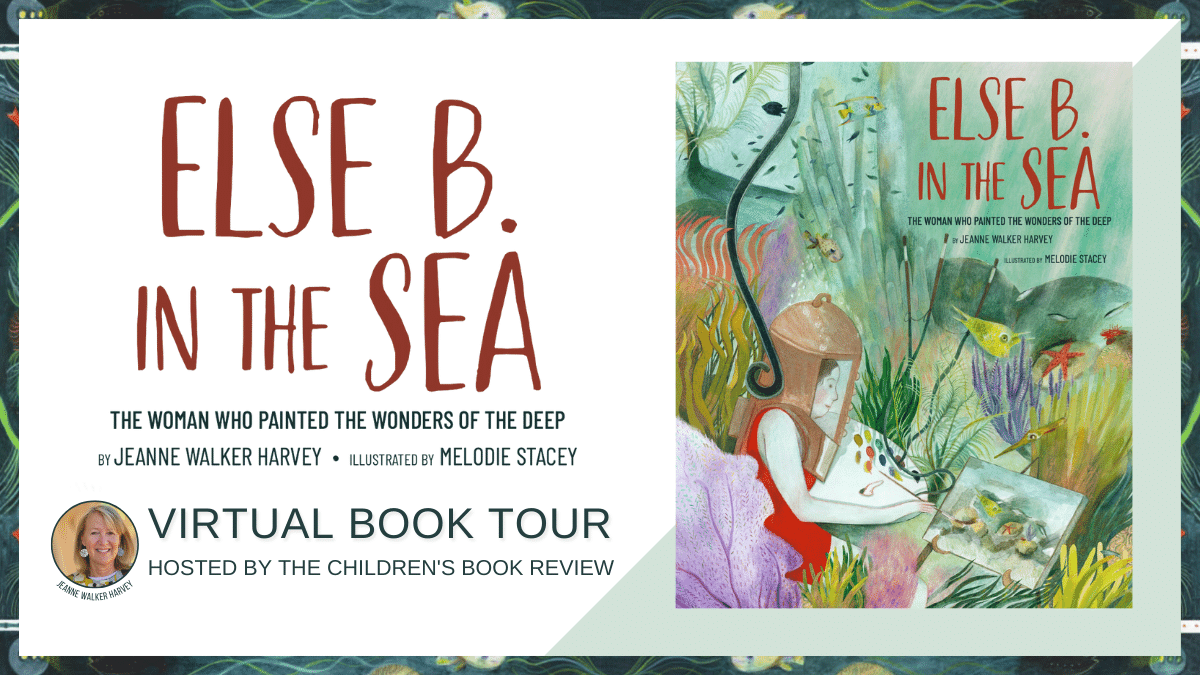
Else B. in the Sea: The Woman Who Painted the Wonders of the Deep
Written by Jeanne Walker Harvey Illustrated by Melodie Stacey Ages 5-7 | 32 Pages Publisher: Cameron Kids/ Abrams Books ISBN-13: 9781949480283 Publisher’s Book Summary: A poetic picture book biography about a daring and pioneering woman artist that combines themes of art and science. A perfect STEAM book! Else Bostelmann donned a red swimsuit and a copper diving helmet and, with paints and brushes in hand, descended into the choppy turquoise sea off the coast of Bermuda. It was 1930, and few had ventured deep into the sea before. She discovered a fairyland six fathoms below the surface—fantastic coral castles, glittering sunbeams, swaying sea plumes, and slender purple sea fans. And fish! Flashy silverfish, puckering blue parrotfish, iridescent jellyfish. Else painted under the sea! She painted what she saw with her own eyes. Back on land, Else painted the never-before-seen deep-sea creatures described by world-renowned scientist William Beebe on his momentous 1930s bathysphere expeditions for the New York Zoological Society’s Department of Tropical Research. It was a daring and glamorous adventure and a dream come true for Else B., who shared this new, unfathomable world with humankind. 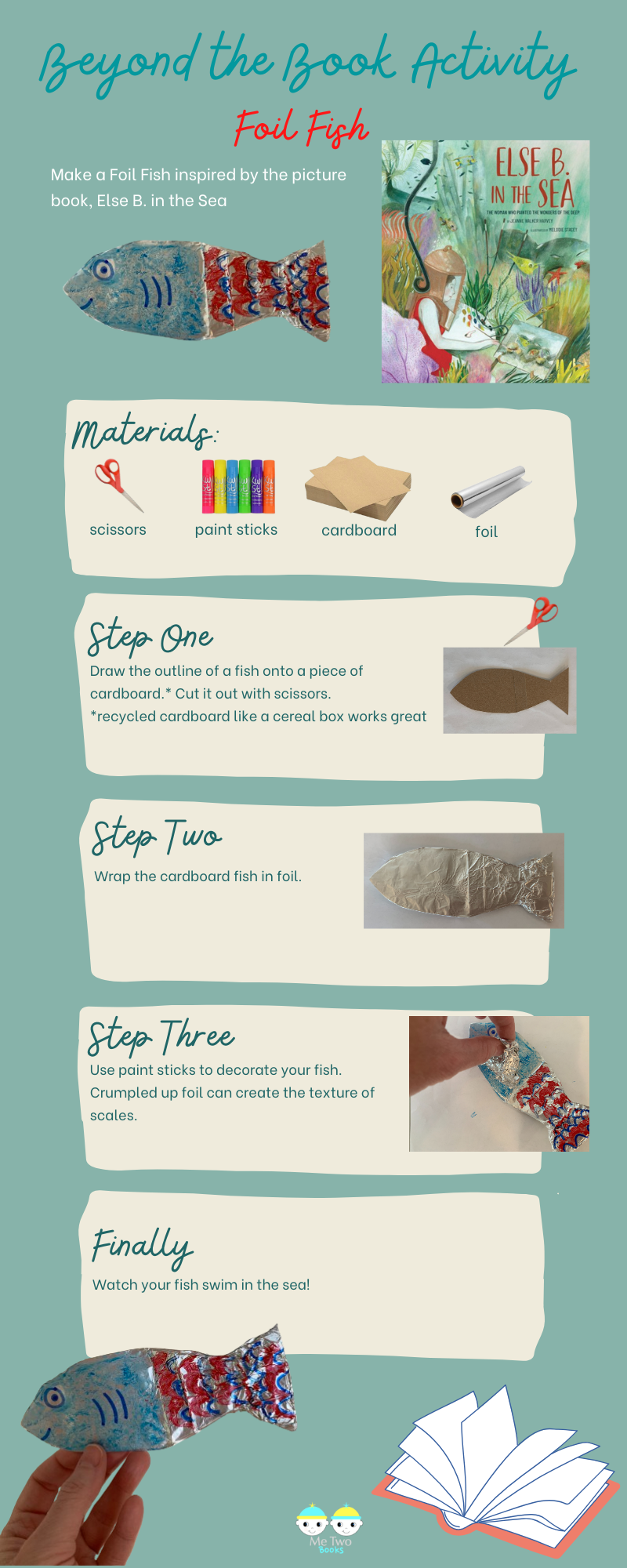
Giveaway
Enter the giveaway for a chance to win a signed copy of Else B. in the Sea: The Woman Who Painted the Wonders of the Deep! Prizes include a class set of 30 books, swag like an Else Bostelman painting on a bookbag and notebook, stickers, and signed/customized bookplates.
This post is in partnership with The Children’s Book Review and Hillary Harper. All opinions are my own.
Book Information
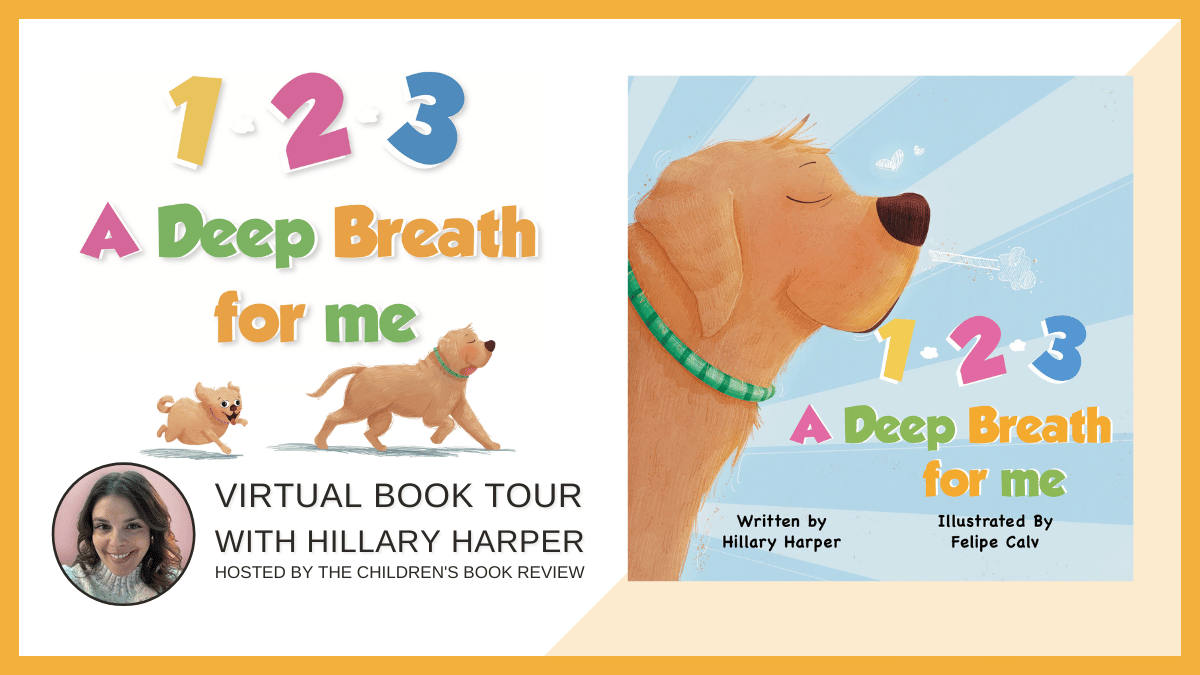
1-2-3, A Deep Breath for Me
Written by Hillary Harper Illustrated by Felipe Calv Ages 3-8 | 38 Pages Publisher: Cannoli & Co. Books | ISBN-13: 9798988363637 Publisher’s Book Summary: Meet Mack, the pup with emotions as big as his paws! At times, Mack finds himself overwhelmed by his feelings. His stomach is filled with butterflies, his legs grow wobbly, and he feels short of breath. Thankfully, Mack has his trusty sidekick, Gertie, to guide him through the tough times. Together, they explore ways to manage and overcome these powerful emotions. Through Mack’s journey, children can learn breathing exercises, visualization techniques, and other self-regulation activities that can be practiced in their daily lives. Author Interview
I'm excited to share my interview with Hillary. She has worked in the field of early childhood education since 2006. During this time she has worked as an elementary and preschool teacher, academic designer, and preschool/center director.
Her love of children’s books helped launch her book company, Cannoli & Co. Books, in 2023. Cannoli & Co. Books bring engaging, timeless, and creative stories to children and adults alike. The company is named after Hillary’s “best boy”, an English cream golden retriever named Cannoli. He and his canine brothers and sisters are the inspiration for her funny stories. Hillary is a native of Ohio. She has three teenage daughters, who also inspire her on a daily basis. She is a second generation teacher and writer, following in the footsteps of her parents. Outside of her professional life, Hillary enjoys spending time gardening, taking care of her house plants, and going on adventures. Learn more about Hillary and her book company at cannolicobooks.com. Where did you get the inspiration for 1-2-3, A Deep Breath for Me? The idea for this book was sparked by our family dog, Mack, who struggles with anxiety. We've experimented with various methods to help him relax. Alongside our dog, I aimed to tackle the rise in anxiety among children post-pandemic. The goal was to develop a fresh picture book centered on imparting self-regulation skills and calming strategies to children experiencing anxiety. What was your writing process like for this book? While crafting this book, I studied the self-regulation skills imparted to the students at the preschool where I serve as director. Targeting children aged 3-9, who are the intended audience for this book, I aimed to ensure that the strategies presented were relevant. Moreover, I aimed to portray the heartwarming bond between the two dogs, illustrating how having a supportive companion can assist in navigating challenging emotions. What is your favorite part about writing books for kids? My joy in writing children's books peaks when I read the words aloud. Witnessing the genuine reactions of children to my stories is truly rewarding. Their honesty shines through in their feedback and suggestions, making them a wonderful audience. Moreover, I appreciate the freedom to unleash my creativity as children enjoy exploring their imaginations. What are you working on now? I am creating a journal to accompany this story. It will feature a section where children can draw, write, and reflect on their emotions. Additionally, there will be coloring pages and engaging activities to help children channel their focus during times of anxiety. I'm currently writing my third book, which revolves around a playful cat and her closest companion. Together, they use their creativity to unravel the mystery behind why the cat brings piles of leaves to her owners daily. The story is inspired by my friend's famous Instagram cat, Mary. What is your favorite book? My favorite children’s book is The Great Lollipop Caper by Dan Krall. Giveaway
Enter the giveaway for the chance to win a copy of 1-2-3, A Deep Breath for Me, signed by Hillary Harper as well as a children’s journal companion to the book.
This post is in partnership with The Children’s Book Review and Lorena M. Proia All opinions are my own.
Book Information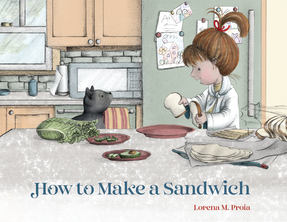
How to Make a Sandwich
Written and Illustrated by Lorena M. Proia Ages 4+ | 32 Pages Publisher: PnM Publishing | ISBN-13: 979-8-9885730-0-5 Publisher’s Book Summary: Making a sandwich is fun and easy! And Rae knows just how to do it. The bread is like the parents, it keeps the sandwich safe and happy. The turkey is the love, the lettuce is the fun. But every time Rae adds an ingredient, it disappears, and she soon realizes there is a sandwich-stealing thief intent on eating her creation! Will Rae ever get to eat her lunch? Suddenly making a sandwich isn’t so easy after all! 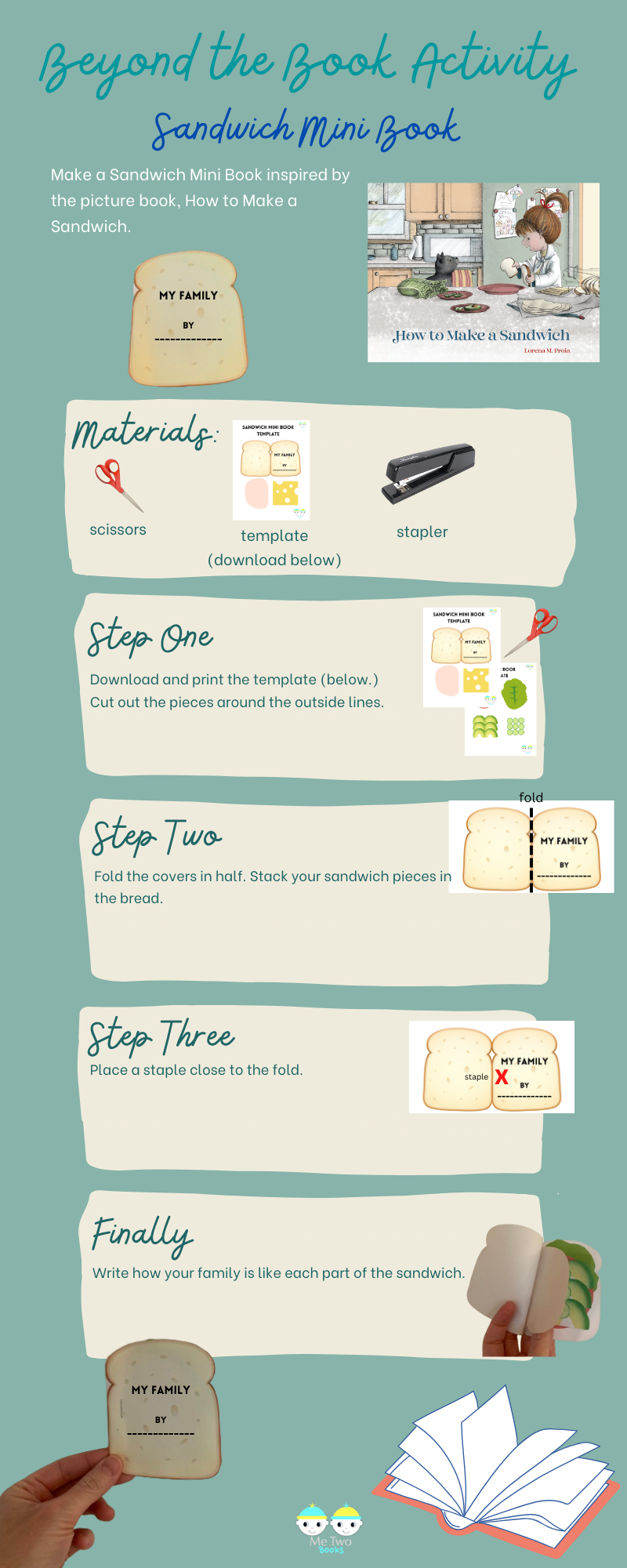
Giveaway
Enter for your chance to win this amazing prize package:
A signed copy of How to Make a Sandwich A set of Phebe-n-Me t-shirts (1 child and 1 adult size) A gorgeous set of 12 blank note cards featuring Phebe-n-Me designs "Having to learn to advocate for my autistic son, Jo, I wanted to combine my love for writing children’s books with my goal of increasing autism acceptance. I have observed countless times the way Jo pursues his interests and passions and the autistic joy they bring him. So this book was born." ~Mariam Shapera  I am excited to share my interview with Mariam. Her new picture book is amazing and is released today! Make sure to connect and support... Where did you get the inspiration for Jo's Special Gifts? From my autistic son Jo, who is 7, who has many special gifts and likes. He inspires me in all things throughout the day, everyday. What was your writing process like for this book? Initially, I wrote about half the book over 3 years ago and then paused and completed it a year later as I got more inspiration from him watching him grow and be the amazing kid he is today. 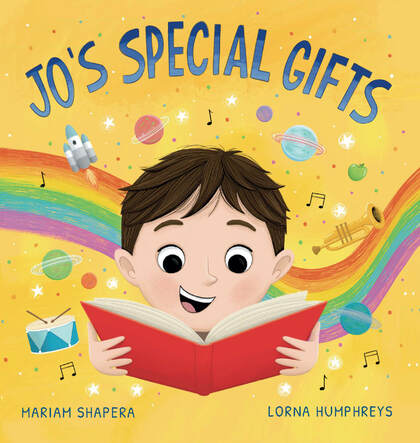 What is your favorite part about writing books for kids?
My favorite part is having the kids feel and see themselves in that character and story. To be inspired by the character and to allow inclusion and representation for all types of brains. What are you working on now? I am currently working on releasing this title and I have an idea, also inspired by Jo, for an upcoming children's book. What is your favorite book? I have many including classic fiction from Jane Austen to non fiction books on Autism acceptance and Neurodiversity.
This post is in partnership with The Children’s Book Review and Kristina Tanso. All opinions are my own.
Book Information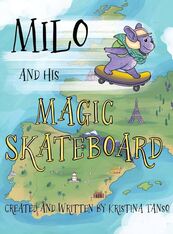
Milo and His Magic Skateboard
Written by Kristina Tanso Illustrated by Sofie Engstrom Von Alten Ages 4+ | 36 Pages Publisher: Life Unfiltered Books | ISBN-13: 9781738414000 Publisher’s Book Summary: Join Milo – an adorable French Bulldog – as he embarks on his very first adventure! Simply by clapping his little paws together and jumping on his magic skateboard, Milo takes flight and explores Europe! This fun, heart-warming adventure will charm children and adults alike, while exploring different iconic places and cultures! 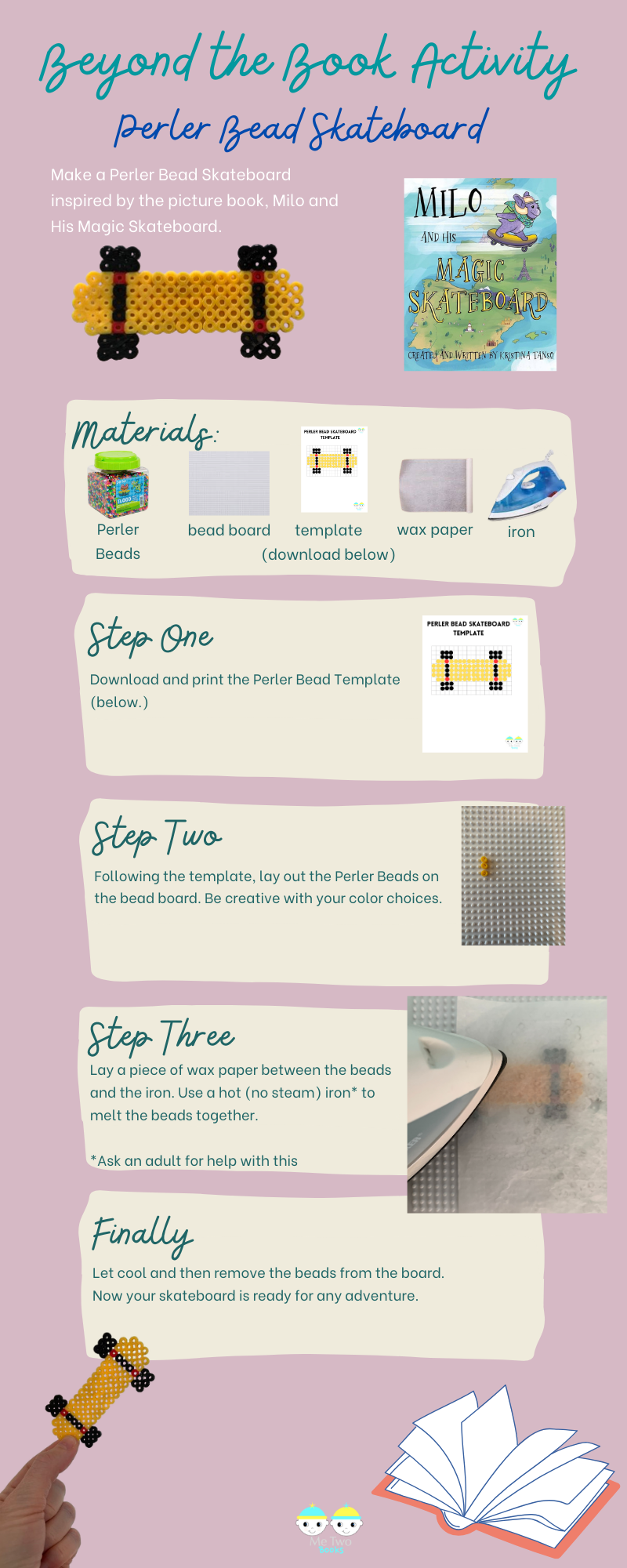
Book Giveaway
Enter the giveaway for the chance to win a signed hardcover copy of Milo and His Magic Skateboard and a customized sketch of Milo!
Mama's Love Language: Sometimes Love Tastes Like Hainan Chicken Rice- Author Interview and Giveaway4/15/2024
This post is in partnership with The Children’s Book Review and Elisa Stad. All opinions are my own.
Book Information
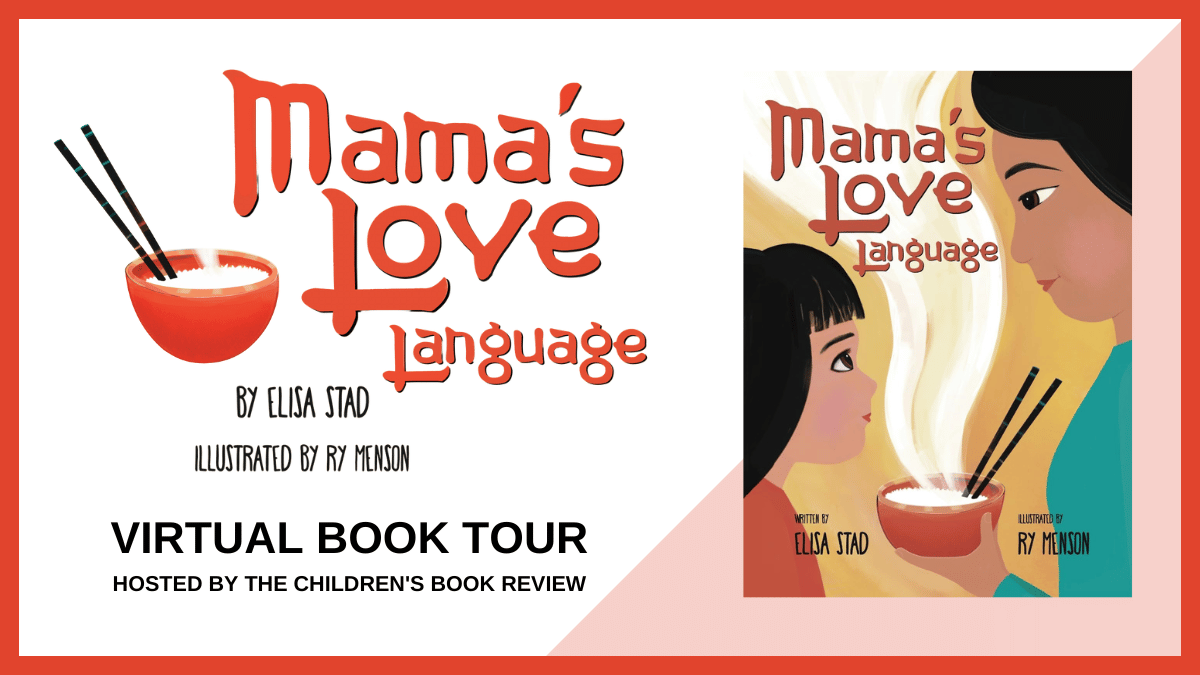
Mama’s Love Language: Sometimes Love Tastes Like Hainan Chicken Rice
Written by Elisa Stad Illustrated by Ry Menson Ages 5-10 | 31 Pages Publisher: Ginger Lotus Press | ISBN-13: 9798988378518 Publisher’s Book Summary: Jade is a girl who lives in two worlds and, coming from a multicultural family, she’s on a quest to understand her identity and where she truly belongs. She is trying to find her place in the world but feels different from the other kids at school. Back home, Jade’s parents have their unique approach to love and care. Sometimes Jade is embarrassed by Mama’s accent and she can’t understand why she is not just like any other mother she knows. The real adventure unfolds when Jade starts rebelling against her mother’s traditional ways of showing love, especially through food. It’s a struggle that takes her on a path of discovery, as she learns about her family’s rich heritage and her mother’s challenging past in Vietnam and as an immigrant. Jade then discovers that even though Mama doesn’t hug or say I love you, the healing aroma of ginger, green onions, and chicken broth does. “Mama’s Love Language” is a heartwarming children’s book that addresses the universal theme of belonging and the beauty of cultural diversity. Through Jade’s story, children will learn that being different is not only okay but something to be celebrated, and that love can come in many shapes and forms. Author Interview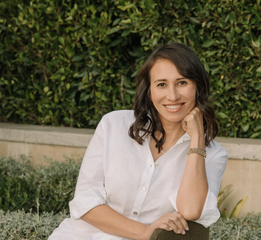
I'm excited to share my interview with Elisa. She spent the majority of her career, as a brand and international business executive for luxury goods and consumer product companies. After experiencing working in over 40 countries, she acquired a passion for globalization and the sharing of cultures based on her experiences. Elisa is also focused on inspiring the youth through her efforts in healthcare inequities through Stad Center of Pain, Palliative, and Integrative Medicine and serves on college boards at USC, UCSF and Harvard.Elisa grew up in a mixed-race household, as a daughter of a Vietnamese refugee mother and American father. She grew up in a multicultural home, searching for identity. She also moved homes often in her childhood including to Asia and within the US to Idaho and California.
She always wanted to share with other young children the beauty of humanity and how we can celebrate our unique gifts. You can find her enjoying ballet, visiting local Asian street markets, practicing yoga, and focusing on her spiritual practice. Elisa lives in Southern California with her husband, 3 children and a bernedoodle. For more information, visit https://www.elisastad.com/ Where did you get the inspiration for Mama's Love Language: Sometimes Love Tastes Like Hainan Chicken Rice? I grew up in a mixed-race household as a daughter of a Vietnamese refugee mother and an Scottish-Irish American father. My search for identity has been a constant question- having been raised in a multicultural home and never feeling I fit in. With my Chinese family, I was white. With my white family I was Chinese. When I lived in HK I was very American. When I lived in Idaho I felt like my Chinese traits stood out. It was my lifelong dream to write a book to share with young children that everyone has a place and should be celebrated just as they are. What was your writing process like for this book? I started writing this book on a returning flight from Hong Kong. I felt compelled to share my story with other young children who could identify with feeling out of place with the mix of cultures and race. I went back to this piece during the start of the pandemic and then put it down. I finally had the courage to get this piece published when my children started to ask about when the book could be in a library. What is your favorite part about writing books for kids? I love hearing the conversations the children are raising with Mama’s Love Language. All children can relate to Jade in different ways: emotions she feels, wanting to fit in, and trying to understand herself. I'm very passionate about spreading diversity and this book gave me the opportunity to show children from multicultural and multiracial homes that being different makes us unique. What are you working on now? I’m focused on getting Mama’s Love Language to different communities, libraries, bookstores and schools. In the coming months we will see what Jade evolves into. I’m also working on the launch of a Pediatric Integrative medicine center at UCSF. At the end of the year I will start writing my next book. What is your favorite book? As mother of three elementary school kids the Roald Dahl series are a must read, such as Matilda or BFG. I was an addict of Roald Dahl from 2nd grade on. As an avid adult reader my favorite authors are Amy Tan and Lisa See. I just finished Lady Tan’s Circle of Women by Lisa See which connects Eastern medicine modalities and is a historical fiction piece. I keep exploring a piece of my heritage and history through the lenses of authors like Tan and See. Giveaway
Enter the giveaway for the chance to win a copy of Mama’s Love Language: Sometimes Love Tastes Like Hainan Chicken Rice, signed by Elisa Stad, and a $50 Amazon gift card!
This post is in partnership with The Children’s Book Review and Alysson Foti Bourque. All opinions are my own.
Book Information
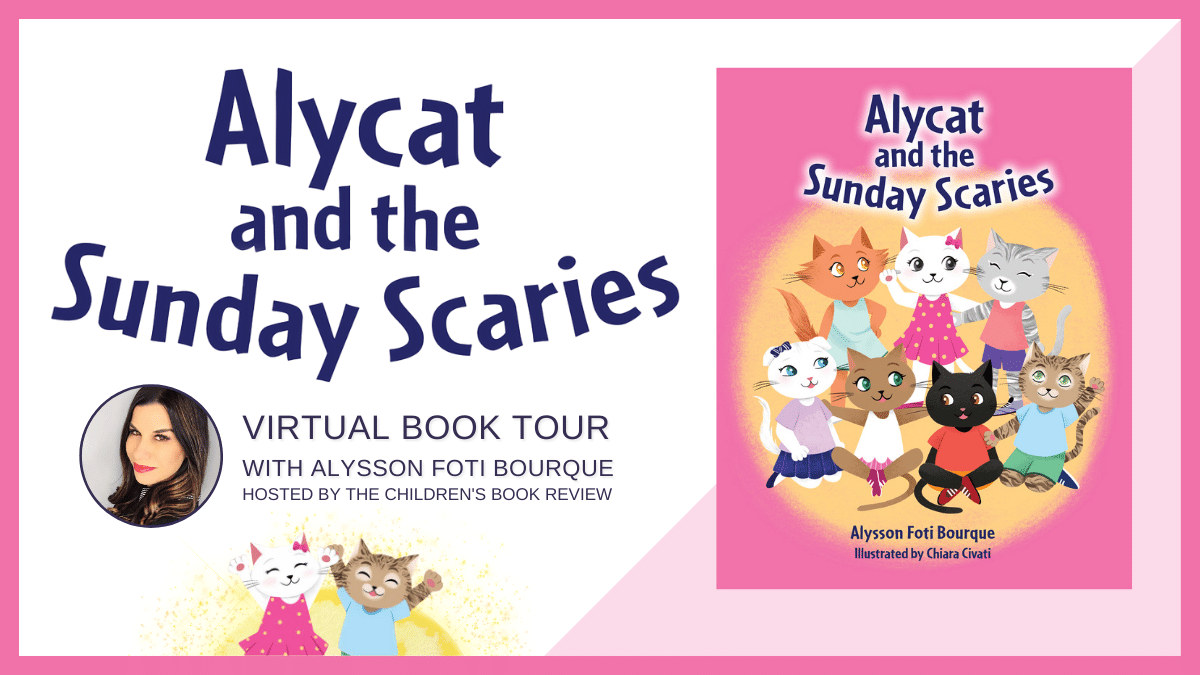
Alycat and the Sunday Scaries
Written by Alysson Foti Bourque Illustrated by Chiara Civati Ages 4+ | 32 Pages Publisher: Pelican Publishing | ISBN-13: 9781455627790 Publisher’s Book Summary: It’s Sunday, the day before the school week begins, and Alycat is nervous. She just knows that Monday is going to be the Mondayest Monday ever! On the playground, Alycat realizes she isn’t the only one suffering from the Sunday Scaries. It’s hard to ride a bike. What if Kit falls? The treehouse is so high. Will Spotty make it safely back down? The kittens band together to overcome their fears, but can they turn the Sunday Scaries into a Sunday Funday? The themes of the books in the Alycat Series all reflect a reliance on friendships, imagination, and creativity toward problem-solving. Fans of Alycat and her friends will enjoy spotting references to the kittens’ daily adventures within these pages. Tips for a successful lemonade stand are included! Author Interview
I'm excited to share my interview with Alysson. She began her career as a teacher after graduating from the University of Louisiana at Lafayette with a degree in Elementary Education and went on to earn a law degree from Southern University Law Center in 2007.After practicing law for nearly eight years, it was time to trade in writing trial briefs for writing children’s books and collaborating with non-profits to support philanthropic initiatives such as Foster the Love with First Lady Donna Edwards, Lafayette Walk to Defeat ALS, The Family Tree, Operation Shower, Wild Cat Foundation, and Hayley’s Bracelet fundraiser to benefit Lurie Children’s Hospital.
Her series has won over 23 awards and has received glowing reviews. Find Alyson and Alycat online at www.alycatseries.com. Where did you get the inspiration for Alycat and the Sunday Scaries? Writing the last book in the week-based series made me scared that the series would end. I channeled this feeling into the context and lessons of the book, which helped give me tools to fight through the fear. This fear and the ways to deal with them inspired this story. What was your writing process like for this book? I wrote down a list of worries that I had in this world and a list of worries a child might have in this world. It became apparent that the way to deal with worries are the same no matter how old you are. Coping techniques and healthy lifestyles are important in conquering fears and worry. I used these worries and techniques to create a problem-solving manuscript that could help readers young and old. What is your favorite part about writing books for kids? My favorite part is when a reader tells me that they started to like reading after reading The Alycat Series. Author visits are also my favorite! I love meeting the Alycat fans! What are you working on now? I am working on the storyboard illustrations for Alycat and the Copycat and soon to start illustration descriptions for another top secret Alycat book. What is your favorite book? My favorite book is Happy Birthday, Moon. Bear discovers that he and the moon share the same birthday and he wants to give his nighttime friend a present. But what do you buy the moon? It’s a heartwarming story of generosity, imagination, and friendship. Giveaway
Enter the giveaway for a chance to win a signed copy of the book and three adorable Alycat plush toys!
This post is in partnership with The Children’s Book Review and Kat Chen. All opinions are my own.
Book Information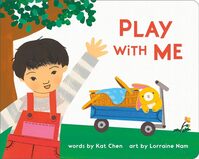
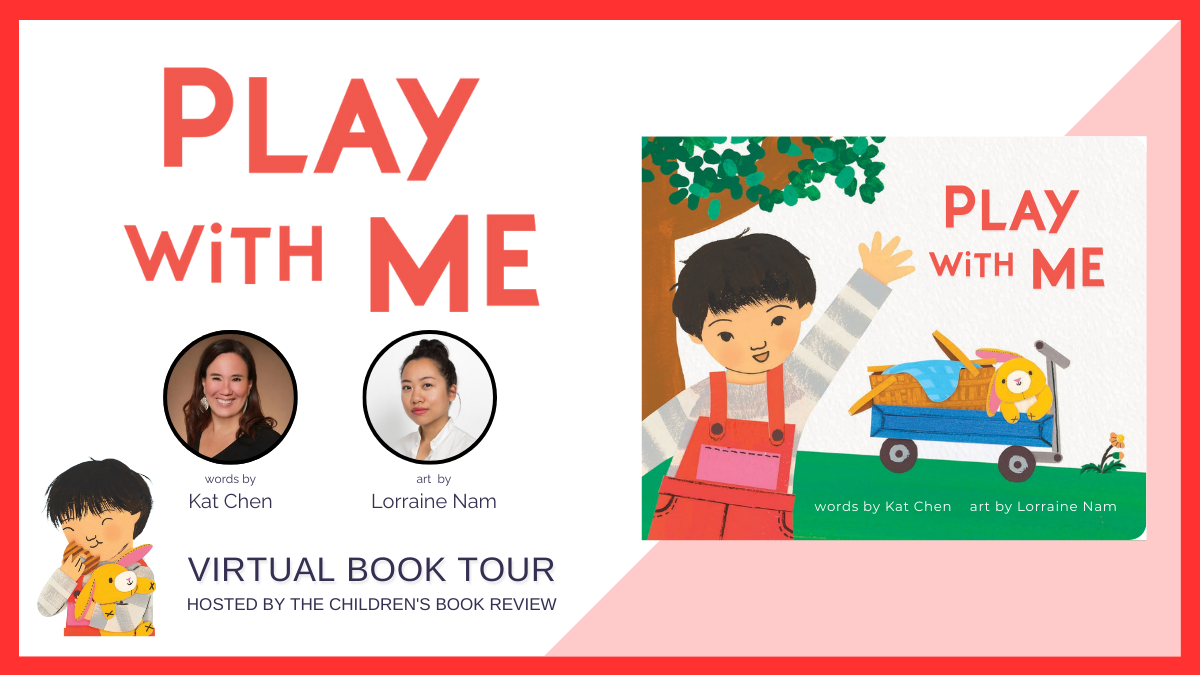
Play with Me
Written by Kat Chen Illustrated by Lorraine Nam Ages 1+ | 24 Pages Publisher: Rise x Penguin Workshop | ISBN-13: 9780593659717 Publisher’s Book Summary: This board book series invites young readers to take part in a playdate activity of their choice, thereby empowering them with autonomy and validation. The picnic playdate models balanced and shared play, creating a positive experience that will provide readers with a reference for what caring and considered friendship looks like. Many toddlers and preschoolers consistently ask for someone to play with them, and this book provides just that for the quieter moments of the day. Simple language and gentle questions will help children develop their social skills by practicing conversations, all while engaging them in fun and familiar topics. Author Interview
I'm excited to share my interview with Kat Chen, author of Play With Me. Kat serves on the advisory board for Books for Newborns. After becoming a grandmother and spending most of her free time helping with “the fun stuff”—conversations, crayons, and crawling—she was inspired to delve into children’s books and help kids master the art of simple conversation through shared play. Learn more about Kat and her work atkat-chen.com.
Where did you get the inspiration for Play with Me? Do you want the official answer or the truth? Official answer: I saw a TED talk about how kids learn to talk with questions. Someone asks, what’s your name? They answer. Someone asks, What color do you like? They think about it and answer. It’s how most conversations begin—a question and an answer. So that’s what I wrote. (That’s all true, it’s just not the full truth. For that…see below.) The secret, unofficial answer is that I watched a relative reading to my granddaughter and was surprised that he just read the words. There was no pausing, no interacting, no questions with the child. That’s when I realized many people don’t know how to read with a toddler. They need help learning how to engage the child with the book. So, I wrote the questions and the interactions to help the adults engage with their child and the book together. What was your writing process like for this book? Once I had the idea, it was all about putting together activities and art with simple questions. This is a board book, not a picture book, so it’s meant for very young children. Simple questions, simple colorful art. That was my idea, but I only wrote the words. Once I started working with the brilliant editor Nicole Fox at RISE, we shaped the activities and the questions together. It was a true collaboration. What is your favorite part about writing books for kids? It’s the best and the worst part. It’s all about the idea. Once I have the right idea, it’s so fast to write. At least that’s how it feels. I can write the manuscript in an hour (as opposed to my adult novels that take months.) However, I end up spending hours then refining one word here, one word there. The detail to every word can be exhausting. So the short answer is: my favorite part about writing books for kids is that the idea is everything, the writing is fast, and picture books are short and quick. Which means if the idea is crap, no amount of time will fix it. And the short amount of words means every single one has to be perfect. What are you working on now? Right now I’m focused on adult novels as Jade Lee, but I’m always writing new picture books. That’s the joy of having two grandbabies. Every time I’m with them, I get a new picture book idea. What is your favorite book? My favorite kids books is The Little Mouse, the Red Ripe Strawberry, and the Big Hungry Bear by Audrey and Don Wood. That’s quite a long title, isn’t it? I love everything about this book. The artwork is amazing, the story is delightful, and it is the pinnacle of picture books for me. Giveaway
Enter the giveaway for a chance to win a signed copy of Play with Me and a $25 Amazon gift card.
|
 RSS Feed